
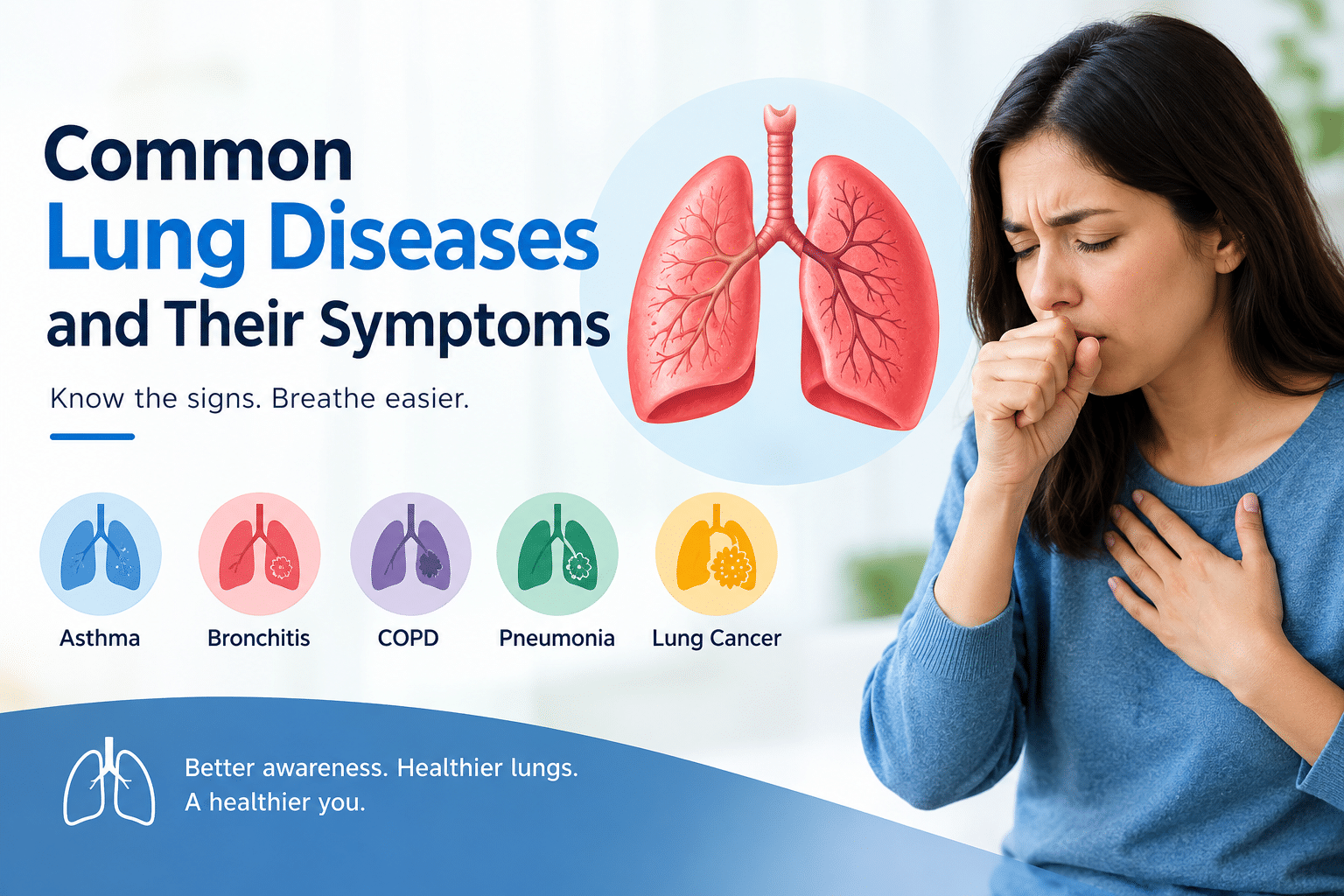
Common Lung Diseases and Their Symptoms
Do you often experience coughing, wheezing, chest tightness or shortness of breath? These symptoms may be caused by a minor respiratory infection, but they can sometimes point to a more serious lung condition. Learning about common lung diseases and their symptoms can help you recognise warning signs and seek medical care at the right time.
Your lungs help supply oxygen to your body and remove carbon dioxide. When a disease affects the lungs or airways, breathing can become difficult. Some lung conditions develop suddenly, while others progress slowly over months or years.
In this guide, we explain common lung diseases, their symptoms, possible causes, how doctors diagnose them and what you can do to protect your respiratory health.
What Are Lung Diseases?
Lung diseases are conditions that affect the lungs, breathing tubes or the tissues responsible for exchanging oxygen and carbon dioxide. They may be caused by infections, inflammation, long-term exposure to smoke or dust, genetic factors or abnormal cell growth.
Some conditions, such as pneumonia, may develop over a few days. Others, including asthma and chronic obstructive pulmonary disease (COPD), can cause repeated or long-lasting breathing problems.
Common lung conditions include asthma, bronchitis, pneumonia, tuberculosis, COPD, bronchiectasis, interstitial lung disease and lung cancer. Their symptoms can overlap, so symptoms alone cannot confirm a diagnosis.
Common Symptoms of Lung Disease
The symptoms of lung disease vary according to the condition and its severity. Some people notice symptoms only during physical activity, while others may experience breathing difficulties even when resting.
1. Persistent cough
A cough that does not improve, keeps returning or becomes more severe may indicate an airway problem, an infection or another lung condition. A persistent cough should not automatically be dismissed as an allergy or a result of smoking.
2. Shortness of breath
You may feel breathless while walking, climbing stairs or doing routine activities. Shortness of breath can occur in asthma, COPD, pneumonia and several other conditions, including heart problems.
3. Wheezing
Wheezing is a whistling sound that may occur during breathing. It often happens when air moves through narrowed airways. Asthma and COPD are possible causes, but a clinician needs to determine the reason.
4. Chest discomfort or tightness
Some lung conditions cause chest tightness or pain, particularly when taking a deep breath or coughing. Chest pain can also be a sign of a heart problem or another emergency and should be assessed carefully.
5. Coughing up mucus
Excess mucus or phlegm may occur with bronchitis, COPD and respiratory infections. Changes in the amount of mucus, particularly alongside fever or worsening breathlessness, deserve medical attention.
6. Fever and chills
Fever and chills can occur when an infection affects the respiratory system. Pneumonia and tuberculosis are among the conditions that may cause these symptoms.
7. Fatigue and unexplained weight loss
Long-lasting lung disease can affect sleep, oxygen levels and energy. Unexplained weight loss, persistent tiredness or night sweats may also occur with certain infections or other serious illnesses.
8 Common Lung Diseases and Their Symptoms
The following conditions affect the lungs in different ways. Knowing their typical symptoms can help you understand when to seek an assessment, but it cannot replace a medical examination.
1. Asthma
Asthma is a long-term condition in which the airways become inflamed and narrow at times. The symptoms may come and go, and their severity can vary from person to person.
Common symptoms of asthma include:
- Wheezing or whistling sounds while breathing.
- Shortness of breath.
- Chest tightness.
- Repeated coughing, especially at night or early in the morning.
- Symptoms triggered by exercise, dust, smoke, allergens or respiratory infections.
Asthma symptoms can sometimes become severe very quickly. People with asthma should follow their prescribed treatment plan and know when to seek emergency care.
2. Bronchitis
Bronchitis is inflammation of the bronchial tubes, which carry air into and out of the lungs. Acute bronchitis often develops after a respiratory infection and is commonly caused by viruses.
Symptoms may include:
- A cough that may produce mucus.
- Chest discomfort while coughing.
- Mild shortness of breath or wheezing.
- Tiredness and sometimes a mild fever.
Acute bronchitis usually improves with time, although the cough may last for several weeks. A persistent or recurrent productive cough may require assessment for other conditions, including chronic bronchitis or COPD.
3. Pneumonia
Pneumonia is an infection that inflames the air sacs in one or both lungs. These air sacs may fill with fluid, making breathing more difficult. Pneumonia can be caused by bacteria, viruses and, less commonly, fungi.
Common symptoms of pneumonia include:
- Cough, sometimes with mucus.
- Fever and chills.
- Shortness of breath.
- Chest pain that may worsen with deep breathing or coughing.
- Fatigue and reduced appetite.
- Confusion, particularly in some older adults.
Pneumonia can range from mild to life-threatening. Older adults, young children and people with existing medical conditions may be at greater risk of complications. Severe breathing difficulty requires emergency care.
4. Chronic Obstructive Pulmonary Disease (COPD)
COPD is a group of long-term lung conditions that restrict airflow. It includes chronic bronchitis and emphysema. Tobacco smoke is a major risk factor, but exposure to household air pollution, workplace dust and harmful fumes can also contribute.
Common COPD symptoms include:
- Breathlessness, especially during physical activity.
- A long-lasting cough, sometimes called a smoker’s cough.
- Frequent mucus production.
- Wheezing or chest tightness.
- Frequent respiratory infections.
- Tiredness and reduced exercise tolerance.
COPD often develops gradually. People may initially assume that breathlessness is simply due to ageing or being unfit. A breathing test called spirometry helps doctors assess airflow and diagnose COPD. Treatment can reduce symptoms and improve daily functioning.
5. Pulmonary Tuberculosis (TB)
Tuberculosis is a bacterial infection that most commonly affects the lungs. Active pulmonary TB can spread through the air when an infectious person releases bacteria while coughing or speaking. Not everyone infected with TB bacteria develops active disease.
Possible symptoms of pulmonary TB include:
- A cough lasting three weeks or longer.
- Coughing up sputum or blood.
- Chest pain.
- Fever and night sweats.
- Unexplained weight loss.
- Loss of appetite, weakness or fatigue.
A prolonged cough, especially when accompanied by weight loss, fever or night sweats, needs prompt medical assessment. Testing may include a sputum test and chest imaging. TB is treatable, but completing the full prescribed course of medicines is essential.
6. Bronchiectasis
Bronchiectasis is a condition in which parts of the airways become permanently widened and damaged. Mucus can collect in these airways, increasing the risk of repeated infections.
Common symptoms include:
- A long-lasting cough that often produces mucus.
- Repeated chest infections.
- Shortness of breath.
- Wheezing and fatigue.
- Occasionally, blood in the sputum.
The amount and appearance of mucus may vary. Repeated infections or a persistent productive cough should be assessed rather than repeatedly treated without identifying the underlying cause.
7. Interstitial Lung Disease (ILD)
Interstitial lung disease refers to a group of conditions that cause inflammation or scarring in the tissue around the lung’s air sacs. Some forms are associated with autoimmune diseases, certain medicines or exposure to workplace dust. In other cases, the cause is not identified.
Common symptoms include:
- Gradually worsening shortness of breath, especially during activity.
- A persistent dry cough.
- Fatigue and reduced stamina.
- Difficulty completing usual physical activities.
Symptoms can develop slowly and may resemble those of other lung or heart conditions. Depending on the suspected cause, doctors may recommend lung function tests, imaging and additional investigations.
8. Lung Cancer
Lung cancer develops when abnormal cells grow uncontrollably in the lungs. Smoking is a major risk factor, but lung cancer can also occur in people who have never smoked. Exposure to second-hand smoke, radon and certain workplace substances can also increase risk.
Possible symptoms of lung cancer include:
- A cough that does not go away or keeps getting worse.
- Coughing up blood.
- Chest pain.
- Shortness of breath or wheezing.
- Repeated chest infections.
- Unexplained weight loss or persistent fatigue.
Lung cancer may not cause noticeable symptoms in its early stages. These symptoms can also result from less serious conditions, but they should not be ignored, especially if they persist or worsen. A clinician can assess the need for imaging and other tests.
Quick Comparison: Lung Diseases and Their Symptoms
| Lung disease | Common symptoms | Typical pattern |
|---|---|---|
| Asthma | Wheezing, cough, chest tightness, breathlessness | Symptoms may come and go |
| Bronchitis | Cough, mucus, chest discomfort | Often follows a respiratory infection |
| Pneumonia | Cough, fever, breathlessness, chest pain | Often develops over days |
| COPD | Persistent cough, phlegm, breathlessness | Usually develops gradually |
| Pulmonary TB | Prolonged cough, fever, night sweats, weight loss | Often develops gradually |
| Bronchiectasis | Productive cough, repeated chest infections | Long-term or recurrent symptoms |
| Interstitial lung disease | Dry cough, progressive breathlessness | Often persistent and progressive |
| Lung cancer | Persistent cough, blood in sputum, chest pain, weight loss | May be silent in early stages |
This table is a general guide, not a diagnostic tool. Different diseases can cause similar symptoms, and a person may have more than one condition at the same time.
When Should You Seek Medical Attention?
It is important to recognise when breathing symptoms require urgent care. Do not wait for symptoms to become severe before seeking help.
Seek emergency medical care immediately if you experience:
- Severe or sudden difficulty breathing.
- Blue or grey lips or skin.
- Severe chest pain, particularly with breathlessness or sweating.
- New confusion, fainting or reduced alertness.
- A significant amount of blood when coughing.
Arrange a medical consultation if you notice:
- A cough that persists for three weeks or longer.
- Repeated wheezing or breathlessness.
- Breathlessness that is gradually getting worse.
- Unexplained weight loss, night sweats or persistent fever.
- Repeated chest infections.
- Any blood in your sputum, even if the amount is small.
The urgency depends on the severity and combination of symptoms. For example, coughing up blood needs prompt medical assessment, while significant bleeding or bleeding accompanied by breathing difficulty is an emergency.
How Are Lung Diseases Diagnosed?
Doctors use your symptoms, medical history, examination and appropriate tests to identify the cause of a breathing problem. Not everyone needs every test. The choice depends on your symptoms and the suspected condition.
1. Medical history and physical examination
Your doctor may ask when symptoms began, whether they occur at night or during exercise, whether you smoke, and whether you have been exposed to dust, chemicals or respiratory infections. The examination may include listening to your lungs and checking your oxygen level.
2. Chest X-ray or CT scan
Chest imaging can help identify findings associated with pneumonia, lung masses, some forms of lung scarring and other conditions. A CT scan may be recommended when more detailed images are needed.
3. Spirometry and lung function tests
Spirometry measures how much air you can breathe out and how quickly you can do so. It is commonly used to help diagnose asthma and COPD. Other lung function tests may be needed for selected conditions.
4. Blood and sputum tests
Blood tests can help assess infection or other medical problems. A sputum sample may be tested for bacteria, tuberculosis or other causes of respiratory symptoms, depending on the clinical situation.
5. Further investigations
If the initial findings suggest a more complex condition, a specialist may recommend additional tests, such as bronchoscopy or other targeted investigations.
How to Protect Your Lung Health
Not every lung disease can be prevented. However, several everyday measures can reduce exposure to harmful substances and lower the risk of certain respiratory illnesses.
1. Avoid smoking and second-hand smoke
Avoid cigarettes and other tobacco products. If you smoke, seek support to quit. Reducing exposure to second-hand smoke also helps protect your lungs.
2. Reduce exposure to air pollution
Check local air-quality information when possible and reduce strenuous outdoor activity when pollution levels are high. Use appropriate protective equipment when workplace exposure to dust or fumes cannot be avoided, following occupational safety guidance.
3. Improve indoor ventilation
Keep indoor spaces well ventilated where practical. Reduce exposure to cooking smoke, burning fuels, incense and other airborne irritants, especially if they trigger respiratory symptoms.
4. Stay up to date with recommended vaccinations
Depending on your age, health conditions and local recommendations, vaccines against influenza, COVID-19 and pneumococcal disease may help prevent certain respiratory infections or reduce their severity. Ask your clinician which vaccines are appropriate for you.
5. Maintain healthy habits
Regular physical activity, adequate sleep and a balanced diet support general health. If you already have a lung condition, follow your clinician’s advice on suitable activity and symptom management.
6. Do not ignore persistent symptoms
Avoid self-medicating with antibiotics, steroids or inhalers that have not been prescribed for you. Early assessment can help identify the cause of symptoms and guide appropriate treatment.
How Are Lung Diseases Treated?
Treatment depends on the specific diagnosis, severity and underlying cause. There is no single medicine that treats every lung disease.
- Asthma: Treatment often includes prescribed inhaled medicines and a written action plan.
- Acute bronchitis: Care usually focuses on symptom relief; antibiotics are not routinely useful for viral bronchitis.
- Pneumonia: Treatment depends on the cause and severity. Bacterial pneumonia may require antibiotics.
- COPD: Treatment may include inhalers, smoking cessation, pulmonary rehabilitation and oxygen for selected patients.
- Tuberculosis: Requires a prescribed combination of anti-TB medicines taken for the recommended duration.
- Bronchiectasis: Management may include airway-clearance techniques and treatment of infections when indicated.
- Interstitial lung disease: Treatment varies by cause and may involve specialist monitoring or specific medicines.
- Lung cancer: Treatment may include surgery, radiation therapy, chemotherapy, targeted therapy or immunotherapy, depending on the cancer.
Follow your treatment plan and attend recommended follow-up visits. Seek medical advice if symptoms worsen or your current treatment no longer provides the expected relief.
Frequently Asked Questions About Lung Diseases
1. What are the most common symptoms of lung disease?
Common symptoms include a persistent cough, shortness of breath, wheezing, chest tightness, mucus production and fatigue. Some conditions also cause fever, night sweats or unexplained weight loss. Symptoms vary by disease.
2. How do I know if my cough is related to a lung disease?
A cough can result from infections, asthma, allergies, reflux, smoking and other causes. If it lasts three weeks or longer, repeatedly returns or is accompanied by breathlessness, blood, fever or weight loss, arrange a medical assessment.
3. Can lung diseases be cured?
Some lung infections can be cured with appropriate treatment. Other conditions, such as asthma and COPD, are generally managed over the long term. The outlook depends on the specific disease, its severity and how early it is diagnosed.
4. Can a non-smoker develop lung disease?
Yes. Non-smokers can develop asthma, pneumonia, tuberculosis, interstitial lung disease, lung cancer and other conditions. Air pollution, second-hand smoke, workplace exposures, infections and other factors can affect lung health.
5. When should I see a lung specialist?
Consider a medical consultation for persistent cough, repeated wheezing, unexplained breathlessness, recurrent chest infections or abnormal chest imaging. Your primary care doctor can help determine whether referral to a pulmonologist is needed.
6. Is shortness of breath always caused by a lung problem?
No. Shortness of breath can be related to lung disease, heart conditions, anaemia and other causes. Sudden or severe breathlessness requires emergency assessment rather than self-diagnosis.
7. Can lung diseases be prevented?
Some risks can be reduced by avoiding tobacco smoke, limiting exposure to air pollution and workplace hazards, following recommended vaccination advice and seeking care for persistent symptoms. Not every lung disease is preventable.
Conclusion
Common lung diseases can cause symptoms such as persistent coughing, wheezing, chest discomfort, mucus production and shortness of breath. Conditions including asthma, bronchitis, pneumonia, COPD, tuberculosis and lung cancer may share similar warning signs, but they need different approaches to diagnosis and treatment.
