Share your details and our team can help you connect with an orthopedic specialist.
A posterior cruciate ligament injury can affect knee stability, movement and everyday activities. Jeevika Hospital provides orthopedic evaluation, treatment planning and rehabilitation guidance for patients with PCL injuries.
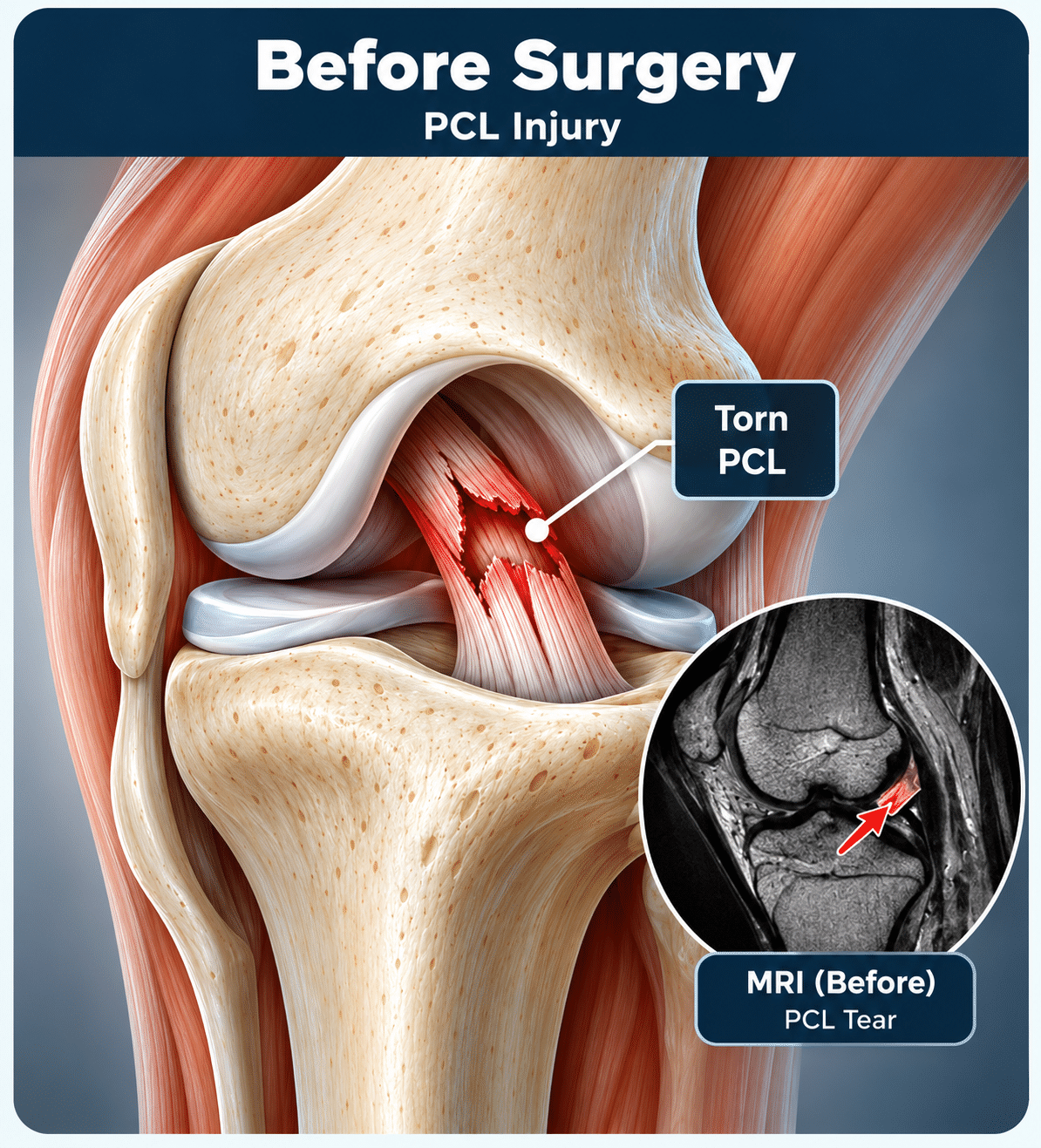
PCL injury
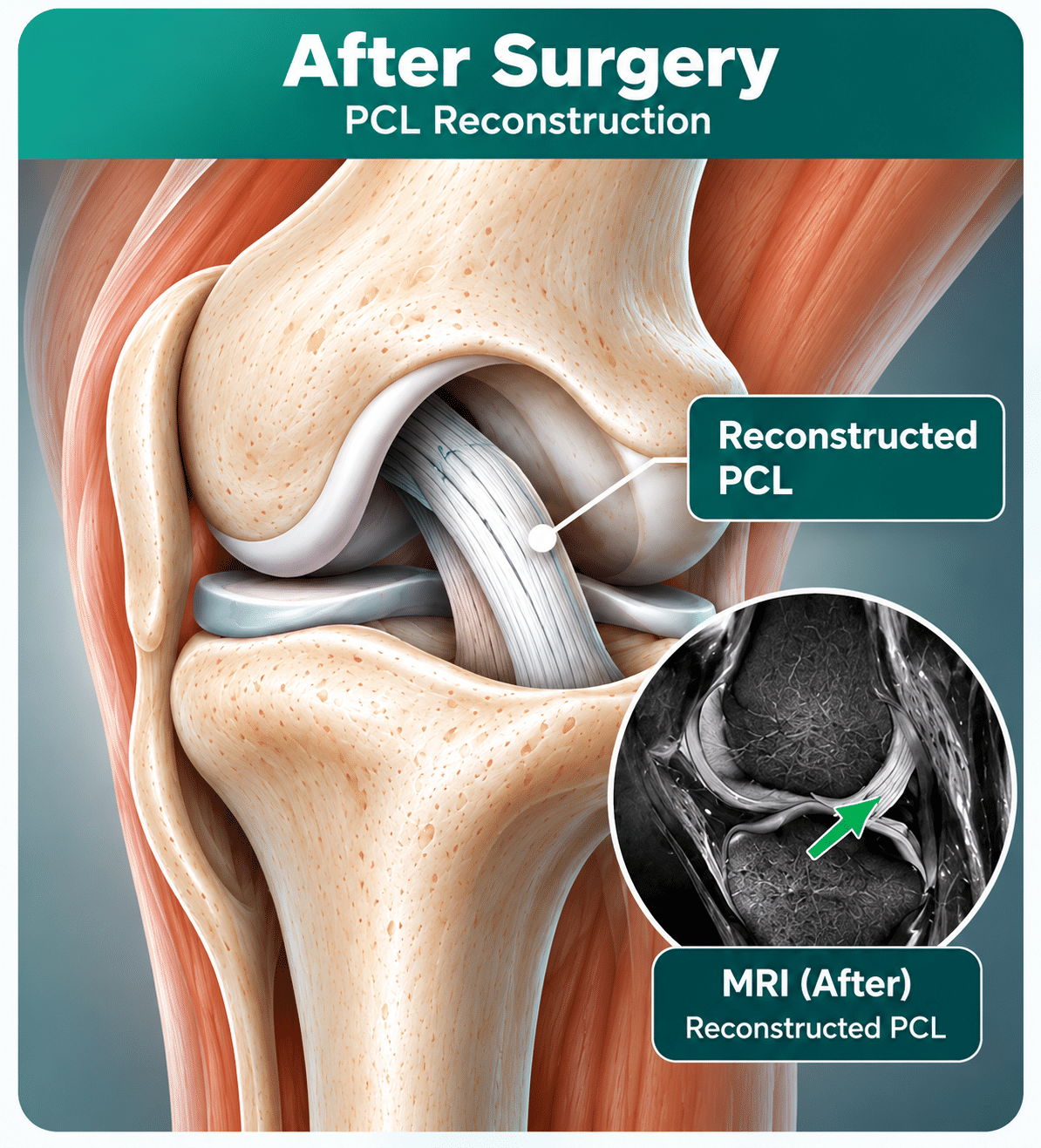
PCL reconstruction
The posterior cruciate ligament, commonly called the PCL, is one of the major ligaments inside the knee. It helps control the backward movement of the shin bone in relation to the thigh bone and contributes to knee stability.
A PCL injury can range from a partial ligament injury to a more significant tear. The symptoms and impact on everyday activities can vary depending on the severity of the injury and whether other structures in the knee have also been affected.
Treatment is therefore not identical for every patient. An orthopedic assessment helps determine the extent of the injury and whether rehabilitation, activity modification or surgical treatment should be considered.
PCL injuries can occur when a strong force changes the position of the knee suddenly.
Sudden changes in direction, collisions, falls or awkward landings may place significant stress on the knee.
A forceful impact to the front of the lower leg can contribute to a PCL injury.
A fall or direct blow to the knee can affect the ligament and other supporting structures.
A PCL injury can occur together with damage to other ligaments, cartilage or menisci.
Symptoms can differ from one person to another. Common signs may include:
A thorough evaluation helps determine the extent of a Posterior Cruciate Ligament injury and identify any associated knee problems.
Your doctor reviews how the injury occurred, your symptoms, pain and any difficulty with walking or knee movement.
The knee is examined for swelling, tenderness, range of motion and signs of instability.
This clinical test helps assess abnormal backward movement of the shinbone.
X-rays may be recommended to check for fractures or other bone-related injuries.
MRI can provide detailed images of the PCL and other soft tissues of the knee.
A PCL injury is evaluated using a combination of clinical examination and imaging when required. The evaluation helps doctors understand the condition of the ligament and surrounding knee structures.
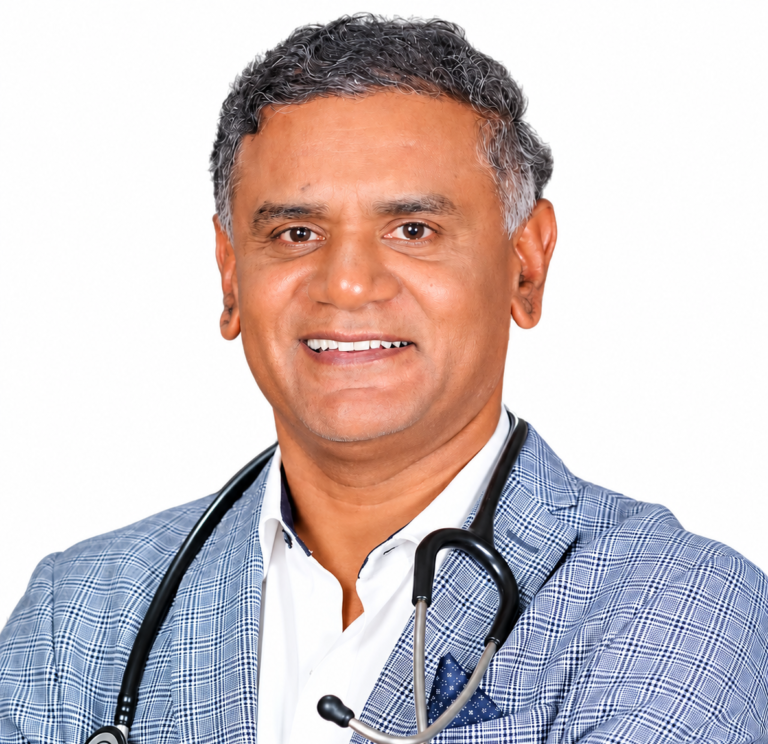
Dr. Ashok A. Reddy is an experienced Orthopedic Doctor at Jeevika Hospital, providing care for bone, joint, muscle and ligament conditions. His clinical areas include knee and shoulder problems, sports injuries, arthritis and ligament injuries, along with arthroscopy and joint replacement procedures.
Assessment and treatment planning for PCL injuries, knee instability and ligament-related conditions.

Find answers to common questions about PCL surgery, recovery, anesthesia, walking after surgery and insurance support at Jeevika Hospital.
The majority of patients are performing normal daily activities at 6–8 weeks and returning to sports in 4–6 months with rehabilitation.
Modern anesthesia and postoperative pain-management methods are used to help control discomfort. Recovery is monitored closely by the medical team.
The type of anesthesia may be selected by the orthopedic doctor and patient based on the planned procedure and individual circumstances. Spinal or general anesthesia may be considered.
Yes, but walking usually begins with support. Patients may use crutches shortly after the operation and gradually increase the weight placed on the operated leg according to their orthopedic team's instructions.
Jeevika Hospital accepts health insurance, and the billing team assists patients with the claims process. Patients can contact the hospital for details regarding their specific insurance coverage.
Discuss your knee symptoms and PCL treatment options with the orthopedic team at Jeevika Hospital.