
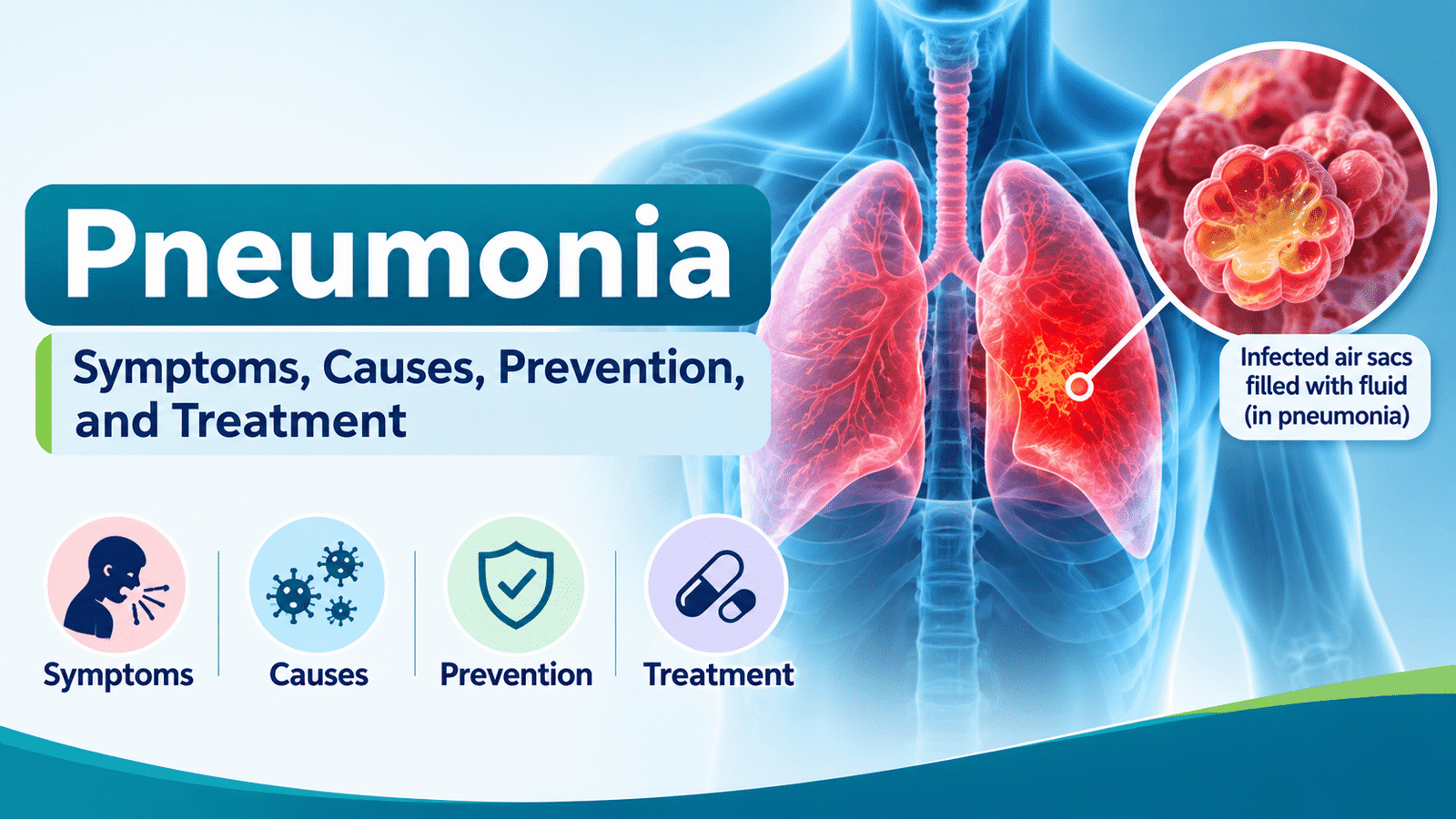
Pneumonia: Symptoms, Causes, Prevention, and Treatment
A persistent cough, fever, chest discomfort, or difficulty breathing may sometimes indicate more than a common cold. Pneumonia is a lung infection that can affect people of all ages. While some people recover with treatment at home, others may need hospital care, particularly if they have breathing difficulties or other medical conditions.
Pneumonia is an infection that causes inflammation in one or both lungs. The tiny air sacs inside the lungs, called alveoli, may fill with fluid or pus. This can make breathing difficult and reduce the amount of oxygen entering the bloodstream.
Pneumonia can be caused by bacteria, viruses, or, less commonly, fungi. Recognising the symptoms early and receiving appropriate medical care can help prevent complications.
What Is Pneumonia?
The lungs help the body take in oxygen and remove carbon dioxide. They contain millions of tiny air sacs that allow oxygen to pass into the bloodstream.
When pneumonia develops, infection causes inflammation in the lungs. The affected air sacs may become filled with fluid, making it harder for oxygen to move normally. As a result, a person may develop a cough, fever, chest pain, tiredness, or breathlessness.
Pneumonia can range from a mild infection to a serious illness requiring hospitalisation. Its severity depends on the type of infection, the person’s age, immune system, and overall health.
Common Symptoms of Pneumonia
Pneumonia symptoms may appear suddenly or develop gradually over several days. They can sometimes resemble those of the flu or a common respiratory infection.
1. Persistent Cough
A cough is one of the most common symptoms of pneumonia. It may be dry or produce mucus. Some people may cough up yellow, green, or occasionally blood-stained phlegm.
2. Fever and Chills
Pneumonia may cause a high temperature, sweating, chills, or shivering. Some people may experience fever along with general weakness.
3. Shortness of Breath
Inflammation and fluid in the lungs can make breathing difficult. You may feel breathless while walking, climbing stairs, or even resting when the infection is severe.
4. Chest Pain
Chest discomfort may become worse when taking a deep breath, coughing, or moving. This may happen when inflammation affects the tissues surrounding the lungs.
5. Fatigue and Weakness
Pneumonia can make you feel unusually tired, weak, or unable to perform your usual activities. Fatigue may continue even after the fever begins to improve.
6. Other Possible Symptoms
- Loss of appetite
- Headache
- Muscle aches and body pain
- Nausea or vomiting
- Rapid breathing
- Increased heart rate
- Confusion, especially in older adults
Not everyone with pneumonia develops all these symptoms. Older adults and people with weakened immune systems may experience confusion, unusual weakness, or a lower-than-normal temperature instead of a typical fever.
What Causes Pneumonia?
Pneumonia occurs when harmful microorganisms enter the lungs and cause an infection. The most common causes are bacteria and viruses.
1. Bacterial Pneumonia
Bacteria can cause pneumonia on their own or develop after a viral respiratory infection. One common bacterial cause is Streptococcus pneumoniae, also known as pneumococcus.
Bacterial pneumonia may cause fever, chills, cough with mucus, chest pain, and difficulty breathing. Treatment may require antibiotics prescribed by a doctor.
2. Viral Pneumonia
Viruses that affect the respiratory system can also infect the lungs. Influenza, respiratory syncytial virus (RSV), and COVID-19 are examples of viral infections that can lead to pneumonia.
Viral pneumonia may range from mild to severe. Treatment depends on the virus, symptoms, and risk factors. Antibiotics do not treat viral infections unless a bacterial infection is also present.
3. Fungal Pneumonia
Fungal pneumonia is less common. It is more likely to affect people with weakened immune systems or those exposed to certain fungi in the environment.
4. Aspiration Pneumonia
Aspiration pneumonia may develop when food, liquid, saliva, or vomit enters the lungs instead of the stomach. People with swallowing difficulties, certain neurological conditions, or reduced consciousness may have a higher risk.
How Does Pneumonia Spread?
Some infections that cause pneumonia can spread from person to person through respiratory droplets or particles released when an infected person coughs, sneezes, or talks.
However, not every type of pneumonia is contagious in the same way. The risk of transmission depends on the microorganism responsible for the infection.
Pneumonia can also develop when microorganisms already present in the nose or throat enter the lungs, particularly when the body’s immune defences are weakened.
Who Is at Higher Risk of Pneumonia?
Although pneumonia can affect healthy adults and children, certain people are more likely to develop severe infection or complications.
- Children younger than five years
- Adults aged 65 years and above
- People with asthma, COPD, or other chronic lung conditions
- People with heart disease or diabetes
- People with weakened immune systems
- Individuals undergoing cancer treatment
- People who smoke or consume excessive alcohol
- People with swallowing difficulties
- Individuals recovering from a serious illness or surgery
People in these groups should seek medical advice promptly if they develop symptoms suggestive of pneumonia.
How Is Pneumonia Diagnosed?
Pneumonia cannot always be diagnosed based on symptoms alone because it may resemble influenza, bronchitis, or other respiratory illnesses. A healthcare professional may recommend the following assessments.
Physical Examination
The doctor may check your temperature, heart rate, breathing rate, oxygen level, and listen to your lungs using a stethoscope.
Chest X-Ray
A chest X-ray may help identify areas of infection or inflammation in the lungs and assess how much of the lung is affected.
Blood Tests
Blood tests may help assess inflammation, infection, and the body’s response to illness. They may be recommended depending on the severity of symptoms.
Pulse Oximetry
A pulse oximeter is a small device that measures oxygen saturation in the blood. It may help identify low oxygen levels that require further evaluation or treatment.
Sputum Tests
In some cases, a sample of mucus coughed up from the lungs may be tested to identify the microorganism causing the infection.
The tests recommended will depend on your symptoms, medical history, and the doctor’s clinical assessment.
Pneumonia Treatment
Pneumonia treatment depends on the cause of the infection, the severity of symptoms, the patient’s age, and any existing medical conditions.
1. Antibiotics for Bacterial Pneumonia
Antibiotics may be prescribed when pneumonia is caused by bacteria. The type of antibiotic, dose, and duration depend on the suspected infection and the patient’s individual condition.
Do not take antibiotics without a medical prescription. Antibiotics do not work against viruses, and unnecessary use may contribute to antibiotic resistance.
2. Treatment for Viral Pneumonia
Some viral infections may require antiviral medicines, depending on the virus and the patient’s risk factors. Supportive treatment may also be recommended to manage fever, discomfort, and breathing symptoms.
3. Oxygen Therapy
If pneumonia causes low oxygen levels, oxygen therapy may be required. This is usually provided in a healthcare setting when a patient needs monitoring or respiratory support.
4. Fluids and Rest
Adequate fluids and rest can support recovery. Drinking fluids may help prevent dehydration, particularly when fever is present.
5. Hospital Treatment
People with severe pneumonia may need hospitalisation. Treatment may include intravenous fluids, medicines, oxygen support, monitoring, and other respiratory support depending on the patient’s condition.
The decision to admit a patient depends on factors such as breathing difficulty, oxygen levels, dehydration, age, other medical conditions, and the severity of infection.
How to Prevent Pneumonia
Pneumonia cannot always be prevented, but several measures can help lower your risk of developing respiratory infections and serious lung illness.
1. Stay Up to Date With Recommended Vaccinations
Vaccines can help protect against certain infections that may lead to pneumonia. Depending on your age, medical history, and risk factors, your doctor may recommend vaccines against influenza, pneumococcal disease, COVID-19, or other infections.
2. Wash Your Hands Regularly
Wash your hands thoroughly with soap and water, especially before eating, after coughing or sneezing, and after contact with someone who is sick.
3. Avoid Smoking
Smoking damages the lungs’ natural protective mechanisms and can increase the risk of respiratory infections. Avoiding tobacco and second-hand smoke supports better lung health.
4. Maintain a Healthy Lifestyle
Eat a balanced diet, get adequate sleep, remain physically active according to your ability, and manage existing medical conditions.
5. Practise Respiratory Hygiene
Cover your mouth and nose when coughing or sneezing. Dispose of used tissues properly and avoid close contact with others when you are sick.
6. Reduce Indoor Air Pollution
Avoid exposure to smoke, dust, and harmful fumes whenever possible. Proper ventilation can help improve indoor air quality.
Pneumonia in Children
Pneumonia can be particularly serious in infants and young children because their immune systems are still developing.
Children with pneumonia may experience:
- Cough and fever
- Fast or difficult breathing
- Poor feeding or reduced appetite
- Unusual sleepiness or irritability
- Vomiting
- Chest retractions, where the skin pulls inward around the ribs during breathing
Parents should seek immediate medical attention if a child has difficulty breathing, bluish lips, severe drowsiness, or is unable to drink or feed adequately.
Pneumonia in Older Adults
Pneumonia may present differently in older adults. Some may not develop a high fever or a noticeable cough. Instead, they may experience sudden confusion, weakness, reduced appetite, dizziness, or a decline in their usual activity levels.
These changes should not be dismissed as normal ageing. Prompt medical assessment is important, especially when accompanied by breathing difficulties or other signs of infection.
Possible Complications of Pneumonia
When pneumonia is severe or treatment is delayed, complications may develop. These can include:
- Low blood oxygen: The lungs may not transfer enough oxygen into the bloodstream.
- Pleural effusion: Fluid may collect in the space around the lungs.
- Lung abscess: A pocket of pus may develop in lung tissue.
- Sepsis: A severe response to infection that may cause organ dysfunction.
- Respiratory failure: The lungs may be unable to provide sufficient oxygen or remove carbon dioxide effectively.
Early diagnosis and appropriate treatment can reduce the risk of complications.
When Should You Seek Medical Attention?
Consult a doctor if you have a persistent cough, fever, chest pain, unusual fatigue, or shortness of breath. These symptoms may require medical evaluation to determine whether pneumonia or another respiratory condition is present.
Seek Emergency Medical Care Immediately If You Experience:
- Severe difficulty breathing
- Unable to speak comfortably because of breathlessness
- Bluish or grey lips, skin, or fingertips
- Sudden confusion or reduced consciousness
- Severe chest pain
- Very low oxygen levels, if measured
- Rapid worsening of symptoms
Do not delay emergency care if breathing becomes difficult.
How Long Does Pneumonia Take to Recover?
Recovery time varies from person to person. Some people begin to feel better within a few days of appropriate treatment, while others may need several weeks to recover.
Fever and breathing symptoms may improve before tiredness and cough completely disappear. Older adults and people with chronic medical conditions may take longer to regain their strength.
During recovery:
- Follow your doctor’s treatment instructions.
- Take prescribed medicines as directed.
- Get adequate rest.
- Drink enough fluids, unless your doctor has advised fluid restriction.
- Avoid smoking.
- Gradually return to your normal activities.
- Attend follow-up appointments if recommended.
If symptoms worsen or fail to improve as expected, contact your healthcare professional.
Frequently Asked Questions About Pneumonia
1. Is pneumonia contagious?
Some germs that cause pneumonia can spread through respiratory droplets or particles. However, pneumonia itself is not always contagious. The risk depends on the microorganism causing the infection.
2. Can pneumonia be treated at home?
Mild pneumonia may sometimes be treated at home with medicines prescribed by a doctor, rest, fluids, and monitoring. Severe pneumonia may require hospitalisation and oxygen therapy.
3. Can pneumonia occur without fever?
Yes. Some people, particularly older adults or individuals with weakened immune systems, may develop pneumonia without a typical fever. Other symptoms such as weakness, confusion, cough, or breathlessness may be present.
4. Is pneumonia the same as bronchitis?
No. Bronchitis mainly involves inflammation of the bronchial tubes, which carry air to the lungs. Pneumonia involves infection and inflammation of the lung tissue and air sacs. The symptoms can overlap, so medical assessment may be needed.
5. Can pneumonia be prevented?
Not all cases can be prevented, but recommended vaccinations, good hand hygiene, avoiding smoking, maintaining a healthy lifestyle, and managing chronic illnesses can reduce the risk.
6. Is pneumonia dangerous?
Pneumonia can be mild or severe. It may become dangerous when it causes low oxygen levels, sepsis, or respiratory failure. Infants, older adults, and people with chronic medical conditions are at greater risk of serious illness.
7. When should I see a doctor for a cough?
Seek medical evaluation if your cough is persistent, accompanied by fever, chest pain, breathlessness, blood in the mucus, or worsening weakness. Emergency care is needed for severe breathing difficulty or altered consciousness.
Get Medical Advice for Respiratory Symptoms
Pneumonia can affect people differently. A persistent cough, fever, chest pain, or breathing difficulty should be evaluated rather than ignored. Early assessment can help identify the cause of symptoms and determine the appropriate treatment.
Medical Disclaimer
This article is intended for general educational purposes only and should not be considered a substitute for professional medical advice, diagnosis, or treatment. Pneumonia symptoms and treatment vary between individuals. Always consult a qualified healthcare professional for personalised medical advice. Seek emergency medical care for severe breathing difficulties or other serious symptoms.
