
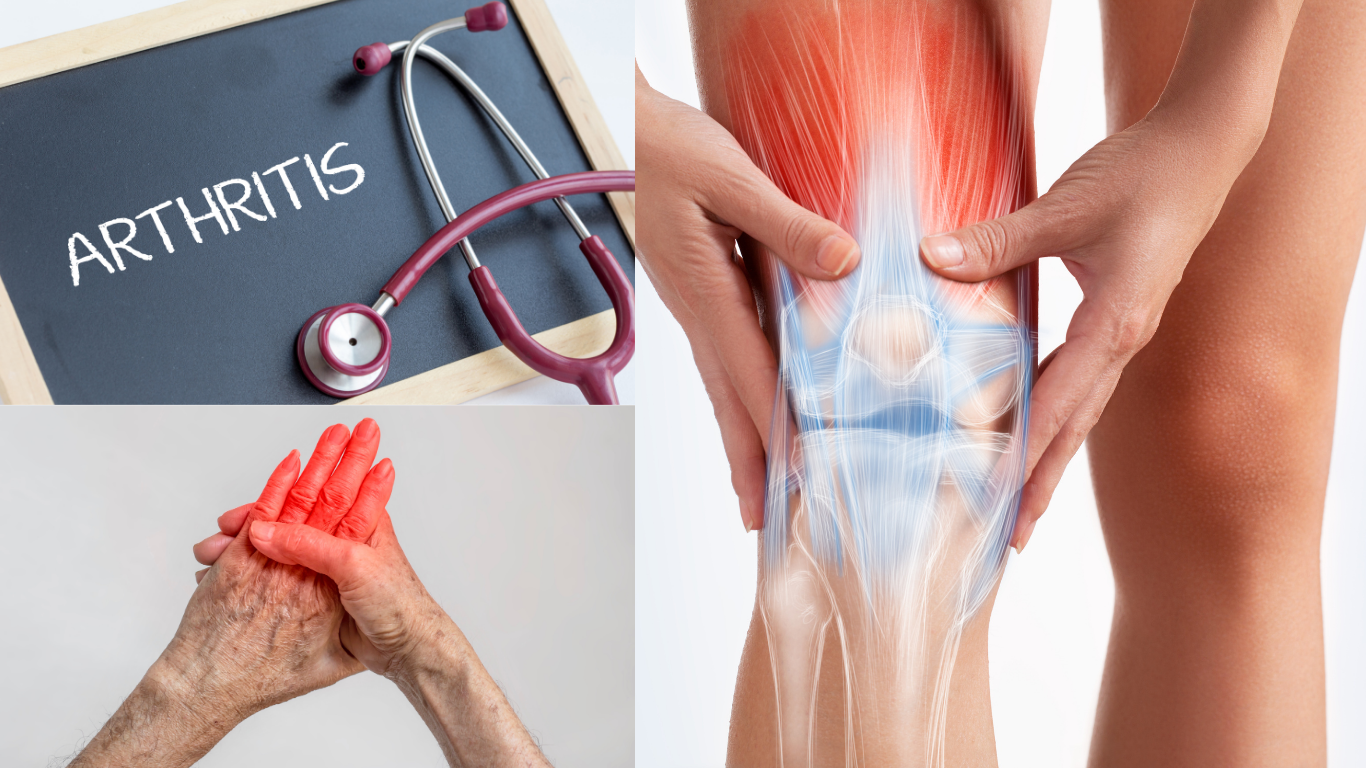
Arthritis is one of the most common health conditions affecting millions of people worldwide. It mainly affects the joints, causing pain, stiffness, swelling, and difficulty in movement. Arthritis can impact people of all age groups, although it is more common among older adults. Early diagnosis and proper treatment can help manage symptoms and improve quality of life.
What is Arthritis?
It is not a single disease but a condition that refers to inflammation of the joints. It can affect one joint or multiple joints in the body. The condition may develop gradually over time or appear suddenly, depending on the type of arthritis.
The most commonly affected joints include:
- Knees
- Hips
- Hands and fingers
- Spine
- Shoulders
- Ankles
Types of Arthritis
There are more than 100 types of arthritis, but the most common include:
1. Osteoarthritis
Osteoarthritis is the most common form of arthritis. It occurs when the protective cartilage that cushions the joints wears down over time. This condition usually affects older adults and commonly impacts the knees, hips, and hands.
2. Rheumatoid Arthritis
It is an autoimmune disorder where the immune system attacks the joints, causing inflammation, pain, and swelling. If left untreated, it can lead to joint deformity.
3. Gout
Gout is caused by the buildup of uric acid crystals in the joints. It often affects the big toe and causes sudden, severe pain and swelling.
4. Psoriatic Arthritis
It is associated with psoriasis, a skin condition. It can affect both the skin and joints.
5. Ankylosing Spondylitis
An inflammatory that mainly affects the spine, leading to pain and stiffness.
Causes of Arthritis
The causes of it vary depending on the type. Common causes and risk factors include:
- Aging
- Joint injuries
- Obesity
- Autoimmune conditions
- Family history
- Poor lifestyle habits
- Repetitive joint stress
- Infections
Symptoms of Arthritis
The symptoms may differ from person to person but commonly include the following:
- Joint pain
- Swelling in the joints
- Stiffness, especially in the morning
- Reduced range of motion
- Redness and warmth around the joints
- Difficulty walking or performing daily activities
If these symptoms persist for a long time, medical consultation is important.
Diagnosis of Arthritis
- Physical examination
- Medical history review
- Blood tests
- X-rays
- MRI or ultrasound scans
Early diagnosis helps prevent joint damage and improves treatment outcomes.
Treatment Options for Arthritis
Although arthritis may not always be completely curable, several treatments can help control symptoms and improve mobility.
Medications
Doctors may prescribe:
- Pain relievers
- Anti-inflammatory medications
- Disease-modifying drugs for autoimmune arthritis
Exercise and physiotherapy help strengthen muscles, improve flexibility, and reduce stiffness.
Lifestyle Changes
Simple lifestyle changes can make a significant difference:
- Maintain a healthy weight
- Stay physically active
- Follow a balanced diet
- Avoid smoking and excessive alcohol
Surgical Treatment
In severe cases, surgery such as joint replacement may be recommended to restore mobility and reduce pain.
Tips to Prevent Arthritis Problems
- Exercise regularly
- Maintain proper posture
- Avoid excessive stress on joints
- Eat calcium and vitamin-rich foods
- Stay hydrated
- Get regular health checkups
When Should You See a Doctor?
Consult a doctor if you experience:
- Persistent joint pain
- Swelling lasting for several days
- Difficulty in movement
- Severe stiffness in the morning
- Joint deformities
Early treatment can help prevent complications and improve long-term joint health.
Conclusion
It can affect daily life and limit mobility if not managed properly. However, with early diagnosis, appropriate treatment, regular exercise, and healthy lifestyle habits, individuals with arthritis can lead active and comfortable lives. Seeking medical attention at the right time is essential to reduce pain, protect joints, and improve overall well-being.
Frequently Asked Questions
It is a condition that causes inflammation, pain, stiffness, and swelling in the joints. It can affect one or multiple joints in the body.
Common symptoms include:
Joint pain
Swelling
Stiffness
Redness around joints
Reduced movement
Difficulty performing daily activities

