
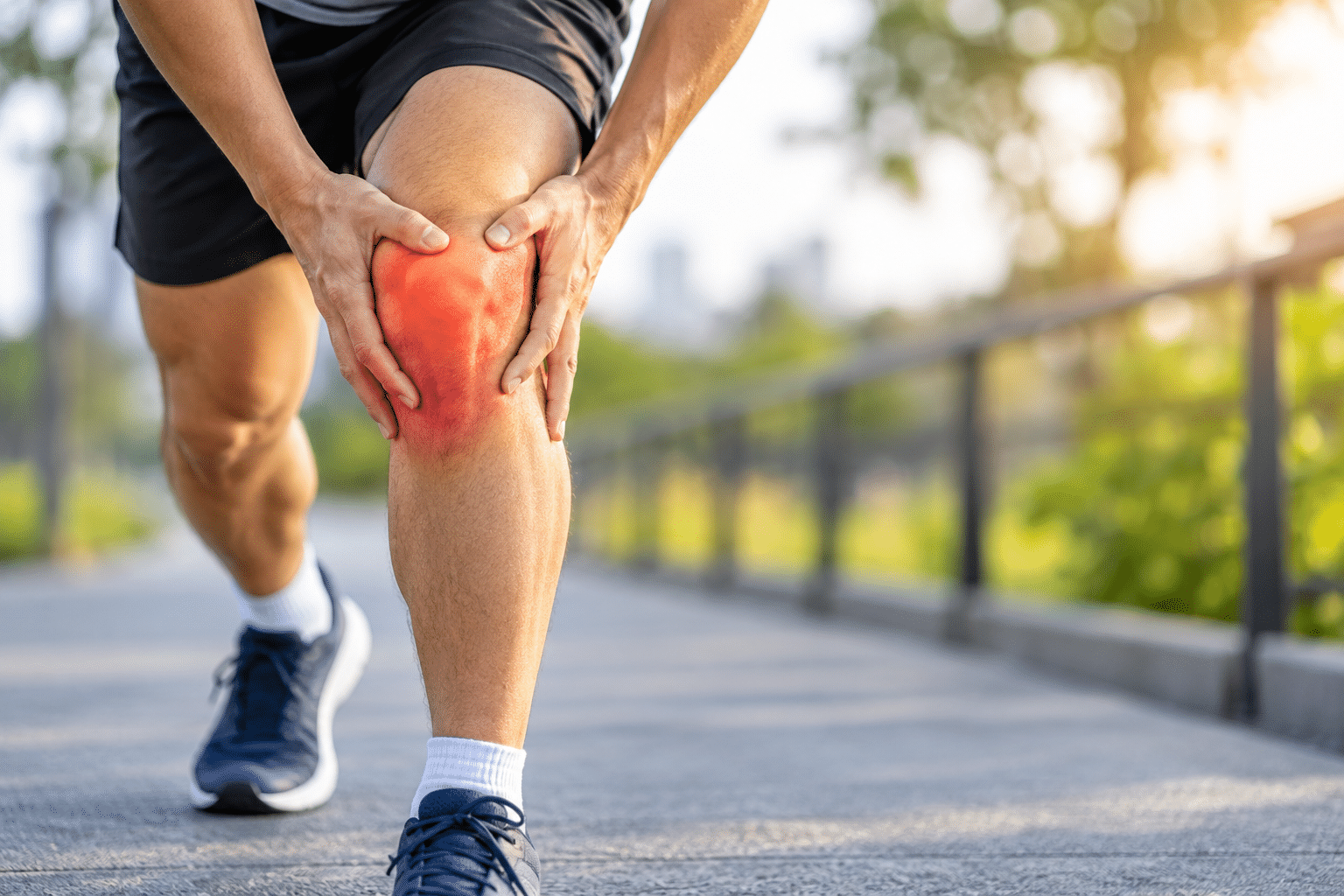
Knee Pain While Walking: Causes and Treatment Options
Walking should not leave you struggling with knee pain. But if your knee starts aching after a short walk, hurts when you stand up, or becomes uncomfortable every time you climb stairs, even simple daily activities can feel difficult.
Knee pain while walking can develop because of overuse, a muscle or ligament injury, inflammation, or arthritis. Sometimes, it settles with simple home care. In other cases, it needs assessment and treatment by a healthcare professional.
Understanding when the pain occurs, where you feel it, and whether you have swelling or stiffness can help your doctor identify the possible cause. This guide explains the common reasons for knee pain while walking, available treatments, practical home care tips, and warning signs you should not ignore.
What Causes Knee Pain While Walking?
The knee is a complex joint made up of bones, cartilage, ligaments, tendons, muscles, and other soft tissues. These structures work together to support your body and help you bend, straighten, and move your leg.
If any of these structures becomes irritated, inflamed, or injured, walking may cause pain. The cause can range from temporary overuse to a condition that needs ongoing treatment.
1. Knee Osteoarthritis
Osteoarthritis is a common cause of knee pain, particularly in older adults and people with a previous knee injury. It develops when the joint tissues change over time, including damage to the cartilage that helps the bones move smoothly.
Common symptoms include:
- Pain that increases during walking or other activities.
- Stiffness after resting or waking up.
- Swelling or tenderness around the joint.
- Difficulty bending or straightening the knee.
- A grinding or crackling sensation during movement.
Symptoms vary from person to person. Osteoarthritis does not automatically mean you need surgery. Exercise, physiotherapy, appropriate medicines, and other treatments can help many people manage symptoms.
2. Muscle Strain or Ligament Injury
A sudden twist, fall, sports injury, or awkward movement can strain the muscles and ligaments that support your knee. Ligament injuries may also occur when you change direction quickly or stop suddenly.
You may notice:
- Pain that begins suddenly during activity.
- Swelling or bruising.
- Difficulty putting weight on the affected leg.
- A feeling that the knee is unstable or gives way.
Severe pain, rapid swelling, or an inability to bear weight after an injury needs urgent medical assessment.
3. Meniscus Tear
The menisci are two pieces of cartilage inside the knee that help cushion the joint and distribute weight. A meniscus can tear during a twisting movement, especially when the foot stays planted while the knee turns. Tears can also develop gradually as tissues change with age.
Possible symptoms include:
- Pain when walking, squatting, or turning.
- Swelling that may develop over time.
- A catching or locking sensation.
- Difficulty fully bending or straightening the knee.
Treatment depends on the tear, symptoms, and the person’s activity level. Some tears improve with activity modification and physiotherapy, while others may require further treatment or surgery.
4. Patellofemoral Pain Syndrome
Patellofemoral pain syndrome causes discomfort around or behind the kneecap. It can develop when the knee is exposed to more activity than it can comfortably tolerate, or when the muscles supporting the knee need strengthening.
Pain may become more noticeable when you:
- Walk for long periods.
- Climb or descend stairs.
- Squat or kneel.
- Sit with your knees bent for a long time.
Adjusting activities and following a suitable strengthening programme may help. A physiotherapist can recommend exercises based on your symptoms.
5. Tendinitis or Tendinopathy
Tendons connect muscles to bones. Repeated jumping, running, or other activities can irritate the tendons around the knee, including the patellar tendon below the kneecap.
The pain may be localised to one area and become worse during activity. Treatment often involves temporarily reducing aggravating activities and gradually rebuilding strength with appropriate exercises.
6. Bursitis
Bursae are small fluid-filled sacs that reduce friction between tissues around a joint. Bursitis occurs when one of these sacs becomes inflamed, sometimes because of repeated kneeling, pressure, or an injury.
You may notice swelling, tenderness, warmth, or pain when bending the knee or putting pressure on it. A hot, red, swollen knee, especially with fever or feeling unwell, needs urgent assessment because infection is one possible cause.
7. Rheumatoid Arthritis and Other Inflammatory Conditions
Not all knee pain is caused by wear and tear. Rheumatoid arthritis and other inflammatory conditions can affect the joints and cause pain, swelling, and stiffness.
Stiffness that lasts a long time after waking up, symptoms affecting several joints, or repeated episodes of swelling may warrant medical evaluation. A clinician can determine whether further tests are needed.
8. Overuse, Sudden Activity Changes, or Excess Body Weight
Increasing your walking distance too quickly, starting a new exercise programme, standing for long hours, or repeatedly using stairs can place more stress on your knees than they are accustomed to.
Excess body weight can also increase the load on the knee joints. Gradually increasing activity, wearing comfortable footwear, and managing weight when appropriate may help reduce symptoms and improve mobility.
Symptoms to Look Out For
Knee pain can feel different depending on its cause. Paying attention to your symptoms can help your healthcare professional assess the problem.
- Pain during walking: May occur with joint irritation, overuse, arthritis, or an injury.
- Stiffness after resting: Can occur with arthritis and other joint conditions.
- Swelling: May follow an injury or develop because of inflammation.
- Pain when climbing stairs: Can occur with kneecap-related pain or osteoarthritis.
- Clicking or locking: Painful catching or an inability to straighten the knee needs assessment.
- Instability: A knee that gives way may indicate an injury or another problem affecting joint function.
What Does the Location of Knee Pain Mean?
The location of the pain can provide useful clues, although it cannot establish a diagnosis on its own.
| Location | Possible causes |
|---|---|
| Front of the knee | Patellofemoral pain, patellar tendon problems, or osteoarthritis. |
| Inner side of the knee | Osteoarthritis, meniscus injury, or ligament injury. |
| Outer side of the knee | Iliotibial band-related pain, meniscus injury, or ligament problems. |
| Back of the knee | A Baker’s cyst, tendon problems, or other joint conditions. |
| Around the whole knee | Arthritis, inflammation, an injury, or another joint condition. |
If your pain keeps returning, affects your walking, or is accompanied by swelling, arrange a medical assessment instead of relying on the location alone.
Knee Pain Treatment Options
The best treatment depends on the cause of the pain, the severity of symptoms, your general health, and how much the problem affects daily activities. Many cases can be treated without surgery.
1. Rest and Activity Modification
Temporarily reduce activities that worsen your pain. This may mean taking shorter walks, avoiding running, or limiting repeated stair climbing while symptoms settle.
Complete inactivity is not usually necessary for every knee problem. Gentle movement may help prevent stiffness, but do not push through significant pain or continue an activity that causes increasing swelling or instability.
2. Ice Packs for Pain and Swelling
An ice pack wrapped in a thin towel can help relieve pain and swelling, particularly after a recent injury or an activity that has irritated the knee.
- Apply the wrapped ice pack for about 15–20 minutes at a time.
- Allow the skin to return to its normal temperature between applications.
- Never place ice directly on the skin.
If you have reduced skin sensation or circulation problems, ask a healthcare professional how to use cold therapy safely.
3. Physiotherapy and Strengthening Exercises
Physiotherapy can improve muscle strength, flexibility, balance, and the way your knee moves. Strong muscles around the knee help support the joint during everyday activities.
A physiotherapist may recommend an individual programme that includes:
- Gentle range-of-motion exercises.
- Quadriceps and hip muscle strengthening.
- Stretching when appropriate.
- Balance and movement training.
- A gradual return to walking and other activities.
Exercises should match your condition. Seek professional advice before starting a new routine if you have severe pain, significant swelling, or a recent injury.
4. Medicines for Knee Pain
Depending on the cause, a healthcare professional may recommend a pain-relieving medicine or an anti-inflammatory treatment. Some topical medicines may be appropriate for certain types of knee pain.
Do not assume that over-the-counter medicines are safe for everyone. Anti-inflammatory medicines can cause side effects and may be unsuitable for people with kidney disease, stomach ulcers, heart conditions, or certain medication interactions. Ask your doctor or pharmacist which option is appropriate for you.
5. Weight Management and Low-Impact Exercise
If excess weight contributes to your knee symptoms, gradual weight management may reduce the load on the joint. Low-impact activities such as swimming, water exercise, or stationary cycling may be more comfortable than running for some people.
Choose activities that suit your symptoms and medical condition. If exercise makes your knee increasingly painful or swollen, reduce the intensity and seek advice.
6. Knee Braces or Walking Supports
Some people benefit from a suitable knee brace, support, or walking aid. The right option depends on the underlying condition and how much stability or support is needed.
A brace is not necessary for every type of knee pain. Ask a healthcare professional whether one is appropriate for you and how to use it correctly.
7. Injections and Other Specialist Treatments
For selected conditions, a specialist may discuss injections or other treatments when simpler measures do not provide enough relief. The expected benefits, duration of relief, risks, and alternatives vary according to the treatment and diagnosis.
Injections are not suitable for everyone, and they do not repair every type of joint damage. Discuss the evidence and potential side effects with your treating clinician before proceeding.
8. Knee Surgery
Surgery may be considered for certain significant injuries or persistent symptoms that do not improve sufficiently with appropriate nonsurgical treatment. Depending on the problem, an operation may involve repairing an injured structure or replacing a severely damaged joint.
Knee replacement is generally considered when advanced joint disease causes substantial pain and functional limitation despite appropriate nonsurgical care. Knee pain alone does not mean that surgery is necessary.
How to Manage Knee Pain While Walking at Home
If your symptoms are mild and there are no warning signs of a serious injury or illness, these practical steps may help:
- Reduce painful activities. Take breaks from prolonged standing, running, or repeated stair climbing.
- Use a wrapped ice pack. Apply it for short periods if the knee is swollen or irritated.
- Elevate your leg. Support the leg with pillows when resting if swelling is present.
- Wear comfortable footwear. Choose shoes that fit well and provide appropriate support.
- Return to movement gradually. Increase your walking distance slowly as symptoms improve.
- Avoid exercises that worsen pain. Stop and seek advice if pain, swelling, or instability increases.
- Seek professional guidance when needed. Persistent symptoms deserve assessment rather than repeated self-treatment.
When Should You See a Doctor for Knee Pain?
Mild knee discomfort may improve with activity modification and appropriate self-care. However, you should not ignore pain that persists, worsens, or interferes with normal walking.
Arrange a medical appointment if:
- Your knee pain does not improve after a reasonable period of home care.
- The pain repeatedly returns or affects your daily activities.
- You notice recurring swelling or stiffness.
- You have difficulty walking or bending your knee.
- Your knee feels unstable or gives way.
- You cannot bear weight on your leg or move the knee properly.
- The knee becomes severely swollen or changes shape after an injury.
- You develop severe pain after a fall, collision, or twisting injury.
- The knee is hot and red, particularly if you also have a fever or feel unwell.
- Your knee locks and you cannot straighten it.
How Is Knee Pain Diagnosed?
A healthcare professional will usually begin by asking about your symptoms, when the pain started, any recent injuries, your activity level, and your medical history.
The examination may include:
- Checking the knee for swelling, tenderness, warmth, or bruising.
- Assessing how well the knee bends and straightens.
- Checking joint stability and surrounding muscle strength.
- Observing how you stand or walk, when appropriate.
Not everyone needs imaging. Depending on the findings, the clinician may recommend an X-ray, MRI, ultrasound, blood tests, or joint fluid testing. These tests can help investigate particular injuries, joint conditions, or possible infection.
Treatment recommendations are based on the overall assessment, not just the results of a scan.
How Can You Reduce the Risk of Knee Pain?
Not all knee problems can be prevented, but a few habits may help protect your joints and support comfortable movement.
- Build activity gradually: Avoid sudden increases in walking distance or exercise intensity.
- Strengthen supporting muscles: Follow an appropriate exercise programme for your legs and hips.
- Warm up before exercise: Begin with gentle movement before more demanding activity.
- Use suitable footwear: Choose comfortable shoes that fit your feet and activities.
- Maintain a healthy weight: If appropriate, work towards a sustainable weight with professional guidance.
- Respond to early symptoms: Reduce aggravating activities and seek advice if pain persists.
Frequently Asked Questions
1. Why does my knee hurt when I walk but not when I sit?
Walking places forces on the knee joint and activates the muscles around it. Conditions such as osteoarthritis, tendon problems, and patellofemoral pain can cause discomfort mainly during movement. A clinical assessment can help identify the cause.
2. Is walking good for knee pain?
Gentle walking may be helpful for some knee conditions, particularly when activity is increased gradually. However, walking can worsen certain injuries or painful joint conditions. If you develop increasing pain, swelling, or instability, reduce the activity and seek medical advice.
3. Can knee pain go away on its own?
Mild pain caused by temporary overuse may improve with appropriate rest and activity modification. Pain caused by arthritis, a significant injury, or another medical condition may need specific treatment. Persistent or worsening symptoms should be assessed.
4. Does knee pain while walking always mean arthritis?
No. Knee pain can also result from muscle strain, ligament injuries, meniscus tears, tendon problems, or inflammation. The symptoms alone cannot reliably distinguish these conditions.
5. Why does my knee hurt when climbing stairs?
Stair climbing places additional demands on the muscles and structures around the knee. Pain may be associated with patellofemoral pain, osteoarthritis, tendon problems, or other conditions. A healthcare professional can assess the likely cause.
6. What is the best treatment for knee pain while walking?
There is no single treatment that works for every cause. Options may include activity modification, ice, physiotherapy, appropriate medicines, weight management, and, in selected cases, specialist procedures or surgery. Treatment should be based on the diagnosis.
7. When does knee pain require surgery?
Surgery may be appropriate for certain significant injuries or severe joint disease when other treatments have not provided enough relief. Many knee problems can be managed without surgery. A specialist can explain the available options and their risks and benefits.
8. Which doctor should I consult for knee pain?
An orthopaedic specialist can evaluate many problems affecting the knee joint, including injuries and arthritis. Depending on your symptoms, a primary care doctor, physiotherapist, rheumatologist, or another specialist may also be involved in your care.
Conclusion
Knee pain while walking can result from overuse, an injury, arthritis, tendon problems, or other joint conditions. Although mild symptoms may improve with appropriate home care, persistent pain should not be ignored.
The most effective treatment depends on the underlying cause. An early assessment can help you understand what is affecting your knee, identify appropriate treatment options, and work towards comfortable movement again.
Medical Disclaimer
This article is intended for general educational purposes only. It does not replace a medical examination, diagnosis, or personalised treatment advice. If you experience severe pain, an inability to bear weight, significant swelling, or a hot, red knee with fever, seek urgent medical care.
