
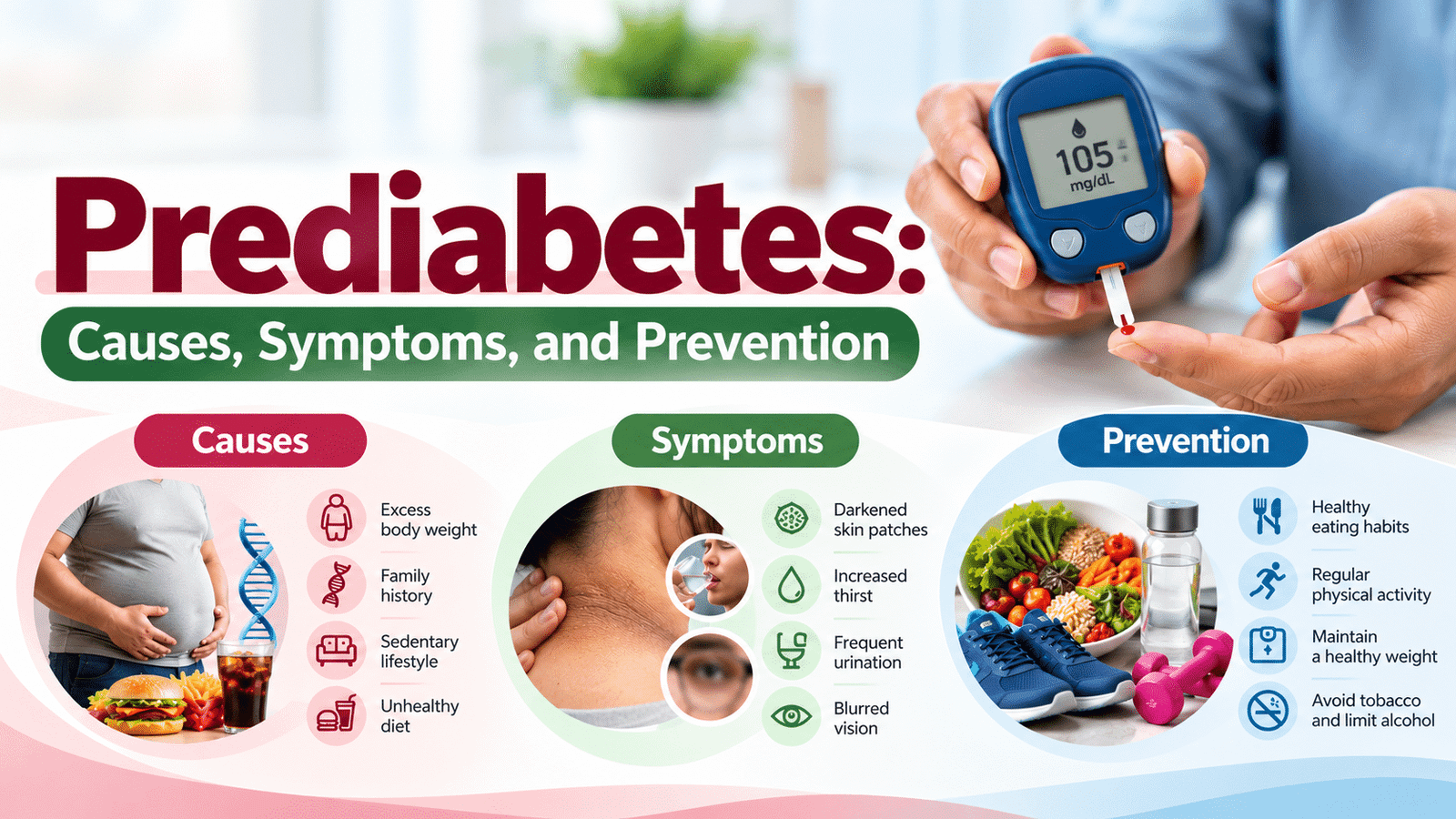
Prediabetes: Causes, Symptoms, and Prevention
Prediabetes means your blood sugar levels are higher than normal, but they have not reached the range used to diagnose type 2 diabetes. It is an important warning sign, but it does not mean that diabetes is inevitable.
Many people with prediabetes feel completely healthy and may not know they have it. Finding it early gives you an opportunity to improve your health through appropriate food choices, regular physical activity, weight management when needed, and medical follow-up.
If you have a family history of diabetes, lead a mostly sedentary lifestyle, or have previously been diagnosed with high blood sugar, understanding prediabetes can help you take the next step. This guide explains its causes, symptoms, risk factors, diagnosis, and practical prevention strategies.
What Is Prediabetes?
Prediabetes is a condition in which blood glucose, also called blood sugar, is above the normal range but below the diagnostic threshold for diabetes.
When you eat, your digestive system breaks down carbohydrates into glucose. The hormone insulin helps glucose move from your bloodstream into your body’s cells, where it is used for energy.
In prediabetes, your body may not respond properly to insulin. This is known as insulin resistance. Your pancreas initially tries to compensate by producing more insulin, but blood sugar can rise when this response is no longer sufficient.
Prediabetes increases the risk of developing type 2 diabetes and is also associated with a higher risk of cardiovascular problems. However, progression is not inevitable. Early assessment and appropriate lifestyle changes can help lower the risk.
What Causes Prediabetes?
Prediabetes usually develops through a combination of insulin resistance, reduced ability of the pancreas to meet the body’s insulin needs, inherited risk, and lifestyle factors. There is rarely just one explanation.
1. Insulin Resistance
Insulin resistance occurs when muscle, liver, and fat cells do not respond effectively to insulin. Glucose then remains in the blood instead of being used efficiently by the body. Over time, this can raise blood sugar levels.
2. Excess Body Fat, Especially Around the Waist
Having excess body fat, particularly around the abdomen, is associated with insulin resistance. Body weight is only one factor, however. People who are not overweight can also develop prediabetes.
3. Limited Physical Activity
Muscles use glucose for energy during movement. Regular physical activity helps the body use insulin more effectively. Long periods of sitting and very little exercise can contribute to metabolic risk.
4. Family History and Genetics
Your risk may be higher if a parent, brother, or sister has type 2 diabetes. Genes influence how the body regulates glucose, although family history does not guarantee that you will develop the condition.
5. Hormonal and Other Health Conditions
A history of gestational diabetes, polycystic ovary syndrome (PCOS), high blood pressure, and abnormal cholesterol or triglyceride levels can be associated with a higher risk of prediabetes.
Some medicines and other medical conditions can also affect blood glucose. Discuss your medication and health history with your doctor rather than stopping a prescribed medicine on your own.
Who Is at Risk of Prediabetes?
You may have a higher chance of developing prediabetes if you:
- Have a parent or sibling with type 2 diabetes.
- Have overweight or abdominal obesity.
- Spend most of the day sitting and get little physical activity.
- Have high blood pressure or abnormal blood cholesterol.
- Have previously had gestational diabetes.
- Have PCOS or another condition associated with insulin resistance.
- Are older or have other risk factors identified by your doctor.
People of Asian Indian ancestry may develop metabolic risk at a lower body mass index than some other populations. Therefore, a person should not assume that a normal-looking body weight rules out prediabetes.
If you have one or more risk factors, ask your healthcare professional whether blood sugar screening is appropriate for you.
What Are the Symptoms of Prediabetes?
Most people with prediabetes do not have obvious symptoms. You can have elevated blood sugar for years without feeling unwell. This is why blood testing is more reliable than waiting for symptoms.
Possible Signs to Discuss With a Doctor
- Darkened skin: Thick, darker patches around the neck, armpits, or groin may be a sign of acanthosis nigricans, which is associated with insulin resistance.
- Small skin growths: Skin tags may occur alongside insulin resistance, but they are common and do not diagnose prediabetes.
- Other symptoms: Increased thirst, frequent urination, blurred vision, or unexplained weight loss can occur when blood sugar becomes significantly elevated. These symptoms should be assessed promptly and should not be assumed to be harmless signs of prediabetes.
How Is Prediabetes Diagnosed?
A healthcare professional may recommend a fasting plasma glucose test, an HbA1c test, or an oral glucose tolerance test (OGTT). These tests measure blood glucose in different ways.
Blood Sugar Levels for Prediabetes
| Test | Prediabetes range | Diabetes range |
|---|---|---|
| Fasting plasma glucose | 100–125 mg/dL | 126 mg/dL or higher |
| HbA1c | 5.7%–6.4% | 6.5% or higher |
| Two-hour oral glucose tolerance test | 140–199 mg/dL | 200 mg/dL or higher |
These are commonly used diagnostic ranges. The fasting test is generally performed after at least eight hours without food or caloric drinks. HbA1c estimates average blood glucose over roughly the previous two to three months. The glucose tolerance test measures the body’s response to a measured glucose drink.
Conditions such as certain types of anaemia, pregnancy, and some haemoglobin disorders can affect how HbA1c should be interpreted. Your doctor will select and interpret the appropriate test for your circumstances.
Diabetes-range results may need confirmation with repeat or additional testing, particularly when there are no clear symptoms. Test results should always be interpreted by a qualified healthcare professional.
How to Prevent Prediabetes From Progressing to Type 2 Diabetes
If you have prediabetes, you do not need to change everything in one day. Consistent, realistic changes are more useful than a restrictive plan that is difficult to maintain.
1. Choose Balanced Meals
Build meals around vegetables, pulses, whole grains, suitable protein sources, and moderate portions. Reduce frequent consumption of sugary drinks and highly refined, energy-dense foods.
Indian meals can be adapted without giving up familiar foods. Consider vegetables, dal, beans, curd without added sugar, eggs, fish, or other suitable protein sources. Choose appropriate portions of rice, roti, or other grains according to your needs.
2. Get Regular Physical Activity
Aim for at least 150 minutes of moderate-intensity physical activity each week if your health allows. Brisk walking, cycling, swimming, and similar activities can help. Begin gradually if you are inactive and seek medical advice before starting strenuous exercise if needed.
Breaking up long periods of sitting with short movement breaks is another practical habit. Strength-building activities may also help when suitable for your health and fitness level.
3. Work Towards a Healthy Weight if Needed
For adults who have overweight, even a modest, sustained reduction in body weight may improve insulin sensitivity. Structured diabetes prevention programmes commonly use a 5%–7% weight-loss target for eligible participants, together with regular physical activity.
This is not a universal target for everyone. Your appropriate weight and nutrition plan depend on your age, body composition, medical history, and individual needs.
4. Get Enough Sleep
Maintain a consistent sleep routine and aim for adequate sleep. Poor sleep and untreated sleep disorders may affect metabolic health. Discuss persistent sleep difficulties or loud snoring with a healthcare professional.
5. Avoid Tobacco and Limit Alcohol
Tobacco increases cardiovascular risk, which is already an important consideration for people with elevated blood sugar. Avoid smoking and seek support to quit if needed. If you drink alcohol, discuss safe choices with your doctor, especially if you take medicines that can lower blood sugar.
6. Monitor Your Blood Sugar
Follow your doctor’s advice on repeat testing. HbA1c, fasting glucose, blood pressure, cholesterol, and other assessments may be recommended according to your risk and results.
Do not start diabetes medicines or supplements on your own. Medication may be appropriate for some higher-risk individuals, but this decision should be made with a healthcare professional.
What Should You Eat if You Have Prediabetes?
There is no single diet that suits everyone with prediabetes. A balanced eating pattern that you can maintain is usually more helpful than eliminating entire food groups without medical advice.
Foods to Include More Often
- Non-starchy vegetables such as beans, gourds, greens, and cauliflower.
- Whole fruit in appropriate portions rather than fruit juice.
- Whole grains and high-fibre foods in suitable portions.
- Protein sources such as dal, beans, eggs, fish, and unsweetened curd.
- Nuts and seeds in moderate portions.
- Water and other suitable unsweetened drinks.
Foods and Drinks to Limit
- Sugary soft drinks, sweetened tea or coffee, and packaged sweet drinks.
- Frequent sweets, desserts, and foods with added sugar.
- Large portions of refined grains and highly processed snacks.
- Frequent deep-fried foods and meals high in saturated fat.
Rice and roti do not automatically need to be eliminated. Portion size, food quality, the balance of the overall meal, and your individual glucose response all matter. A dietitian can help you create an eating plan that suits your preferences and health needs.
When Should You Consult a Doctor?
Consider a medical appointment if you have risk factors for prediabetes, have not had recommended blood sugar screening, or have received an abnormal glucose or HbA1c result.
Your healthcare professional can assess your risk, explain the results, and recommend a follow-up schedule. People with confirmed prediabetes commonly need periodic monitoring, with the timing adjusted to their individual risk.
Seek prompt medical assessment if you experience excessive thirst, frequent urination, blurred vision, or unexplained weight loss. If these symptoms occur with vomiting, abdominal pain, rapid or difficult breathing, confusion, or severe weakness, seek emergency care.
For general medical assessment, explore Internal Medicine services at Jeevika Hospital . A clinician can advise you on appropriate testing and further care.
Frequently Asked Questions About Prediabetes
1. Can prediabetes be reversed?
Blood sugar levels can return to a normal range in some people after sustained lifestyle changes and, when appropriate, treatment. Results vary, and continued healthy habits and follow-up remain important even when tests improve.
2. What are the first symptoms of prediabetes?
Prediabetes usually has no noticeable symptoms. Darkened skin around the neck or armpits can sometimes be associated with insulin resistance, but blood tests are needed to assess prediabetes.
3. What is a normal fasting blood sugar level?
In commonly used adult diagnostic criteria, fasting plasma glucose below 100 mg/dL is considered normal. A result of 100–125 mg/dL falls within the prediabetes range, while 126 mg/dL or higher is in the diabetes range and may require confirmation. Your doctor should interpret your result.
4. Can a person with a normal weight develop prediabetes?
Yes. Genetics, age, family history, physical inactivity, hormonal conditions, and other factors can influence blood sugar. A normal body weight does not rule out prediabetes.
5. Which foods should I avoid with prediabetes?
Limit sugary drinks, frequent sweets, highly processed snacks, and oversized portions of refined carbohydrates. A balanced eating plan should be tailored to your nutritional needs, health conditions, and preferences.
6. How often should I test my blood sugar?
The interval depends on your blood test results and overall risk. Many people with prediabetes are tested at least annually, while some may need earlier reassessment. Follow the schedule recommended by your healthcare professional.
7. Does prediabetes always become type 2 diabetes?
No. Some people progress to type 2 diabetes, while others maintain or improve their glucose levels. Lifestyle changes, appropriate medical care, and follow-up can help reduce risk.
Take the First Step Towards Better Health
Prediabetes is an opportunity to identify a health risk early. You may not feel any different, but small, consistent changes to your food choices, physical activity, sleep, and follow-up care can make a meaningful difference.
If you are concerned about your blood sugar or have a family history of diabetes, speak with a qualified healthcare professional about screening and prevention.
Learn more about Internal Medicine at Jeevika Hospital, Marathahalli, Bengaluru , to understand your options for medical assessment.

