
Kidney Stones: Symptoms, Causes, Treatment and How to Prevent Them
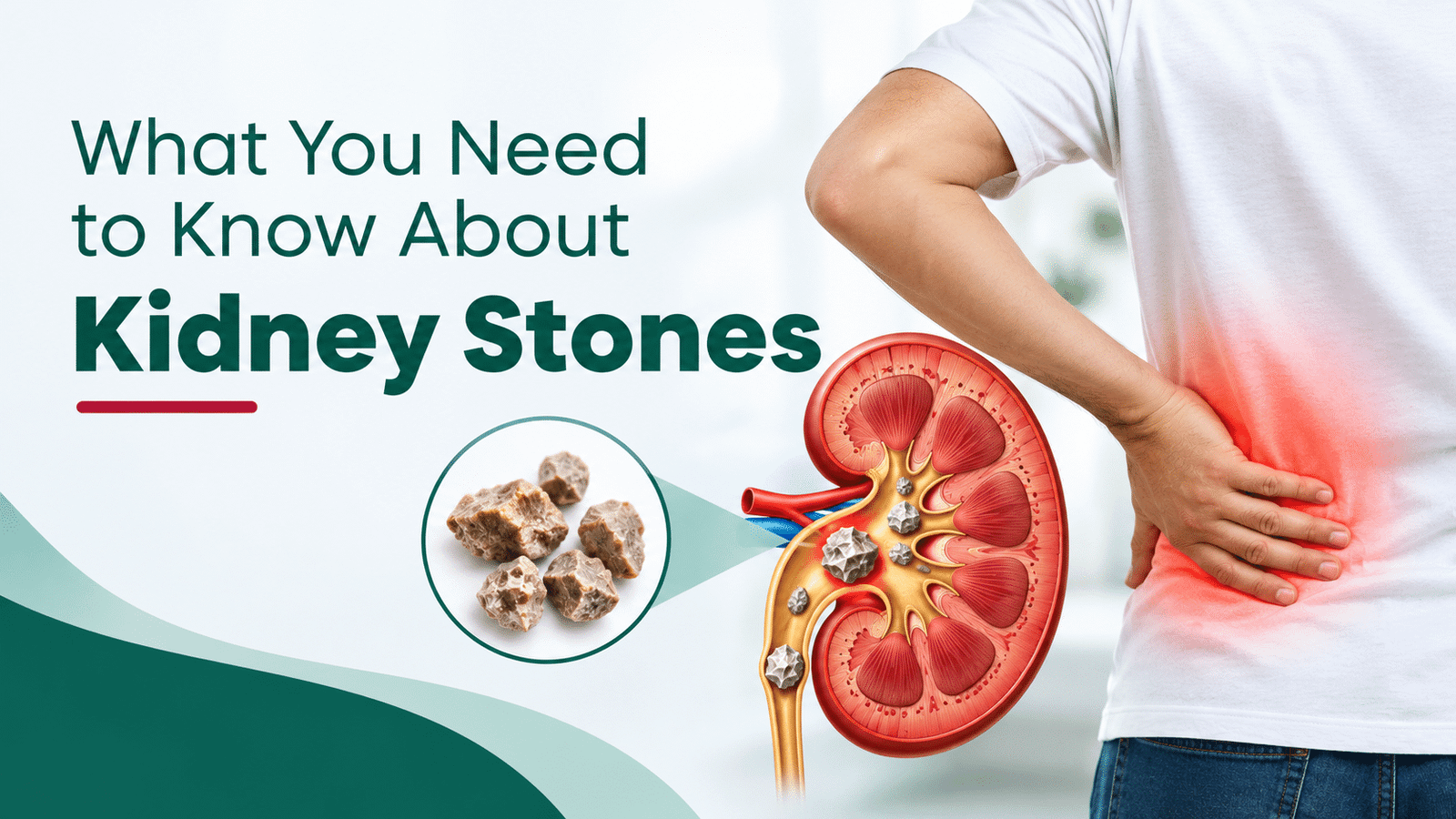
Kidney stones are hard, pebble-like deposits that form when certain minerals and salts become concentrated in the urine. A small kidney stone may pass through the urinary tract without causing major problems, while a larger stone can become stuck and cause significant pain or urinary blockage.
Common symptoms include sharp pain in the back or side, pain that may move toward the lower abdomen or groin, blood in the urine, nausea, vomiting, and changes in urination. Treatment depends on factors such as the stone’s size, location, composition, symptoms, and whether it is blocking urine flow.
If you are looking for evaluation and treatment for urinary or kidney stone problems, you can learn more about urology and urological surgical care at Jeevika Hospital .
In This Article
What Are Kidney Stones?
Kidney stones, also called renal stones or urinary stones, are solid deposits that develop inside the kidneys. They form when certain substances in the urine become highly concentrated and crystallize.
Kidney stones can vary considerably in size. Some are tiny enough to pass naturally through the urinary tract, while larger stones may become lodged in the ureter and interfere with the normal flow of urine.
The presence of a kidney stone does not always mean that surgery is required. Small stones may sometimes pass naturally, while larger, painful, obstructing, or complicated stones may require a urologist’s evaluation and treatment.
Kidney Stone Symptoms
Symptoms can vary depending on the size and location of the stone. Some small stones may cause no symptoms at all. Symptoms often become noticeable when a stone moves into the ureter or blocks urine flow.
Symptoms such as burning urination, urinary frequency, urgency, or pelvic discomfort can also occur with urinary tract infections. If you are unsure whether your symptoms are related to a stone or an infection, medical evaluation is important.
You can also read our detailed guide on urinary tract infections and their symptoms .
What Causes Kidney Stones?
Kidney stones develop when the balance of substances in urine allows crystals to form and grow. Different types of stones can have different underlying causes.
1. Not Drinking Enough Water
When the body does not receive enough fluid, urine becomes more concentrated. This can increase the likelihood of minerals crystallizing and forming stones.
2. High Salt Intake
A diet high in sodium can increase the amount of calcium released into the urine, which may contribute to the formation of some calcium-based kidney stones.
3. Certain Dietary Patterns
Depending on the type of stone, high intake of animal protein, excessive sodium, or foods rich in oxalate may contribute to stone formation in susceptible people.
4. Family History
Some people have a higher tendency to develop kidney stones because of inherited factors.
5. Certain Medical Conditions
Conditions that affect calcium, uric acid, or other substances in the body can increase the risk of kidney stones.
6. Recurrent Urinary Tract Infections
Certain types of urinary stones can be associated with repeated urinary tract infections. Recurrent UTIs should therefore be evaluated rather than repeatedly self-treated.
Learn more about symptoms and management of urinary tract infections if you experience repeated urinary symptoms.
Who Is More Likely to Develop Kidney Stones?
Kidney stones can affect people of different ages, but certain factors can increase the risk.
- Previous history of kidney stones
- Family history of kidney stones
- Low fluid intake or dehydration
- High dietary sodium intake
- Certain dietary patterns
- Obesity or being overweight
- Certain metabolic or hormonal conditions
- Some medications
- Repeated urinary tract infections
- Some inherited conditions that affect urine chemistry
How Are Kidney Stones Diagnosed?
A doctor usually considers your symptoms, medical history, physical examination, urine tests, blood tests, and imaging when evaluating suspected kidney stones.
Urine Tests
Urine testing can help identify blood, infection, and other substances that may provide clues about the cause of stone formation.
Blood Tests
Blood tests may be used to assess kidney function and measure substances such as calcium or uric acid when appropriate.
Ultrasound
Ultrasound can be useful for identifying urinary tract obstruction and many kidney stones without radiation exposure.
CT Scan
In selected cases, a CT scan may provide detailed information about the stone’s size and location and whether there is obstruction.
If you need a specialist evaluation, you can learn more about Dr. Sanjay P, Urologist in Bangalore .
Kidney Stone Treatment
Treatment depends on the stone’s size, location, symptoms, composition, and whether it is causing urinary obstruction or other complications.
1. Observation and Medical Management
Some small stones may pass naturally. A doctor may recommend adequate fluid intake when appropriate, pain management, observation, and follow-up.
2. Medicines
Depending on the patient’s symptoms and the stone’s characteristics, a doctor may prescribe medication for pain or, in selected cases, medicines that can assist stone passage.
3. Shock Wave Lithotripsy
Shock wave lithotripsy, commonly called ESWL, uses focused shock waves to break a stone into smaller pieces so that they can pass through the urinary tract.
4. Ureteroscopy
During ureteroscopy, a small instrument is passed through the urinary tract to locate the stone. The stone may be removed or broken into smaller pieces, sometimes using laser energy.
5. Percutaneous Nephrolithotomy
Percutaneous nephrolithotomy, or PCNL, is generally used for larger or complex kidney stones. A small access tract is created through the back to reach and remove the stone.
6. Urgent Treatment for an Obstructed and Infected Urinary Tract
A blocked urinary tract associated with infection can be a medical emergency. In such situations, urgent drainage and treatment of the infection may be required before definitive stone removal.
A kidney stone causing severe pain, obstruction, fever, chills, vomiting, or signs of infection needs prompt medical assessment.
How to Prevent Kidney Stones
Preventing another kidney stone is easier when you understand what caused the first one. Your doctor may recommend dietary changes, fluid goals, medications, or additional testing depending on your stone type and medical history.
1. Drink Enough Fluids
Adequate fluid intake helps dilute urine and can reduce the concentration of minerals that form stones. Water is generally the preferred fluid.
Your individual fluid requirement can vary depending on your health, activity level, climate, and medical conditions. People with kidney or heart problems should ask their doctor about an appropriate fluid intake.
2. Reduce Excess Sodium
Limiting excessive salt and high-sodium processed foods may reduce the risk of some calcium-based stones.
3. Follow a Suitable Diet
Dietary recommendations depend on the type of kidney stone. Depending on the situation, a doctor or dietitian may recommend changes in sodium, animal protein, oxalate, calcium, or other dietary components.
4. Do Not Avoid Dietary Calcium Without Medical Advice
Calcium in food is not automatically harmful for people who develop calcium stones. In appropriate amounts, dietary calcium can help bind oxalate in the digestive tract. Any major dietary restriction should therefore be discussed with a healthcare professional.
5. Investigate Recurrent Stones
If kidney stones keep coming back, your doctor may recommend stone analysis, blood tests, urine testing, or a 24-hour urine evaluation to identify contributing factors.
When Should You See a Doctor for Kidney Stones?
Seek medical attention if you experience symptoms that could indicate a kidney stone, especially if the pain is severe or persistent.
- Severe or worsening pain
- Fever or chills along with urinary symptoms
- Repeated vomiting or inability to keep fluids down
- Difficulty passing urine
- Visible blood in the urine
- Known urinary obstruction
- Severe weakness or signs of dehydration
These symptoms can sometimes indicate complications such as urinary obstruction or infection and should not be ignored.
Frequently Asked Questions About Kidney Stones
Can a kidney stone pass on its own?
Yes. Some small kidney stones can pass naturally through the urinary tract. The likelihood depends on factors such as the stone’s size and location.
How much water should I drink if I have kidney stones?
Fluid needs vary between individuals. Drinking enough fluid to keep urine adequately diluted is important for many people, but patients with certain kidney, heart, or other medical conditions may have different fluid restrictions. Ask your doctor about the right amount for you.
Are kidney stones always painful?
No. Small stones may cause little or no symptoms. Pain often occurs when a stone moves into the ureter or causes obstruction.
Does every kidney stone require surgery?
No. Treatment depends on the size, location, symptoms, and complications associated with the stone. Some stones can be monitored or allowed to pass naturally, while others require a procedure.
Can kidney stones come back?
Yes. People who have had one kidney stone can develop another. Identifying the stone type and addressing contributing dietary, metabolic, or lifestyle factors can help reduce the risk of recurrence.
Can kidney stones cause a urinary tract infection?
Kidney stones can contribute to urinary obstruction and certain types of stones are associated with urinary infections. A combination of urinary obstruction and infection requires prompt medical assessment.
Experiencing Kidney Stone Symptoms?
Persistent urinary symptoms, severe flank pain, blood in the urine, or recurrent kidney stones should be evaluated by a qualified healthcare professional. Early assessment can help identify the stone and determine the appropriate treatment.
This article is intended for general health education and should not replace a medical consultation, diagnosis, or individualized treatment plan. Kidney stone treatment should be determined by a qualified healthcare professional based on the patient’s symptoms, examination, investigations, stone size, location, and overall health.

