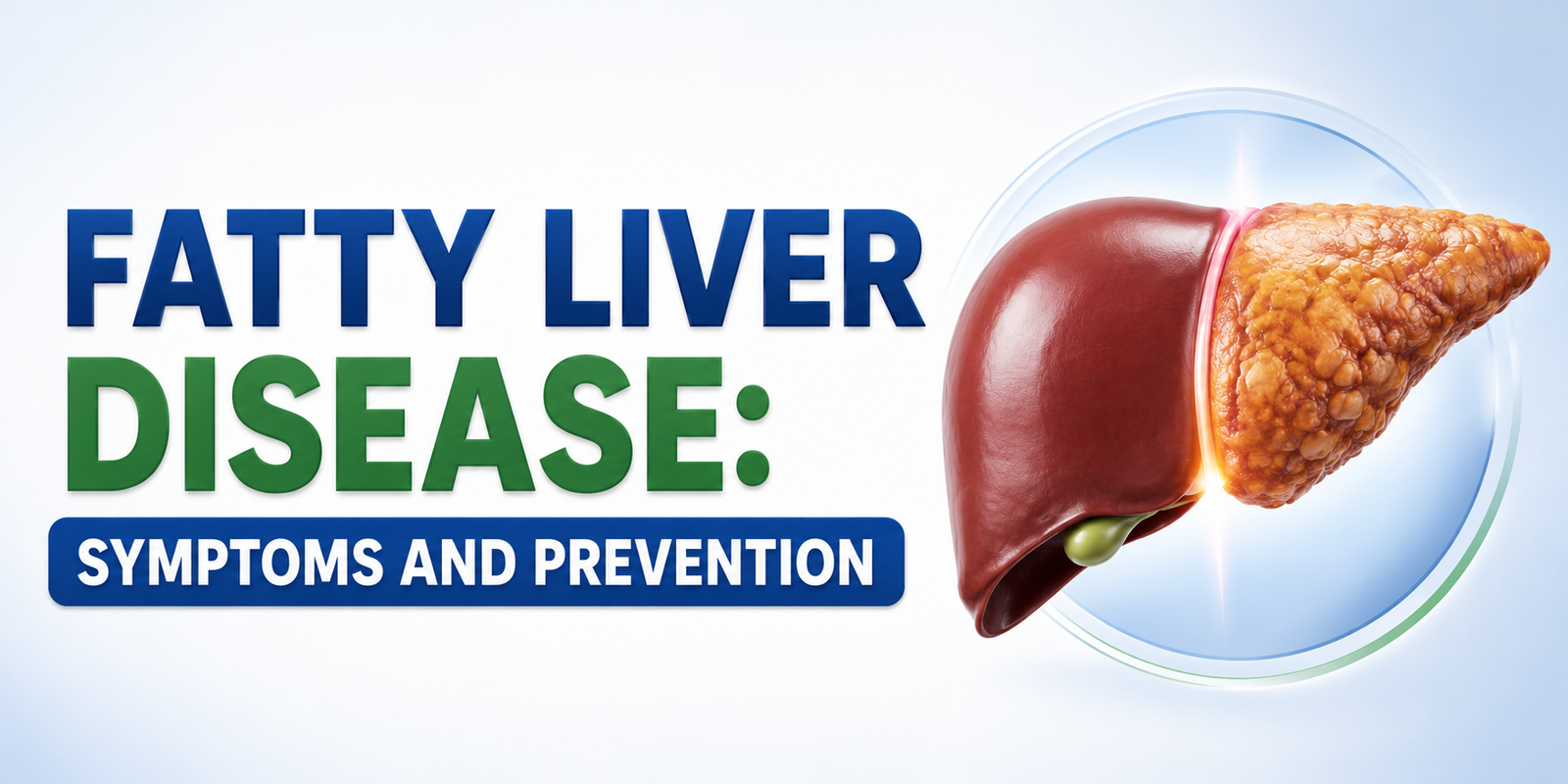
When the Liver Gets Greasy: Spotting and Preventing Fatty Liver Disease
Fatty Liver disease sounds scary, but most people have never even heard of it until a blood test or routine scan rings the alarm. Today we’ll walk through what a Fatty Liver is, why it happens, the everyday signs you can watch for, and the small, doable steps that keep your liver happy.
First, What Exactly Is a Fatty Liver?
The liver is our body’s hardworking filter. When extra fat sneaks into its cells—more than 5 % of the organ’s weight—doctors label it “Fatty Liver.”There are two main types:
- Non-alcoholic fatty liver (NAFLD) – linked mainly to diet, weight, and genes
- Alcohol-related fatty liver – driven by regular heavy drinking
Both share the same big risk: if ignored, they can progress to inflammation (hepatitis), scarring (cirrhosis), and even liver cancer.
Early Clues Your Liver Sends
Many people feel nothing at all. Still, a Fatty Liver may whisper through small nagging signs:
Tired for No Clear Reason
A heavy, constant tiredness often tops the list. Because the liver helps turn food into usable energy, fat build-up can slow that system down.
Discomfort on the Right Side
Some describe a dull ache under the right ribs. It isn’t sharp pain—more like a tucked-away pressure that comes and goes.
Bloated Belly or Unexpected Weight Gain
Fluid retention and mild swelling sometimes appear, even if the bathroom scale barely moves.
Lab Results Look “Off”
Your doctor might spot raised liver enzymes (ALT, AST) or elevated triglycerides long before symptoms reach you.
Talk to your provider if fatigue teams up with abnormal blood work. Quiet organs still deserve a voice.
Who’s Most at Risk?
- People carrying extra weight around the middle
- Folks with type 2 diabetes or insulin resistance
- Anyone with high cholesterol or high blood pressure
- Regular drinkers (even moderate intake can add up)
- Those with a family history of Fatty Liver
Everyday Prevention That Actually Works
Move in Short Bursts
A 20-minute brisk walk after dinner or cycling to the store counts. Aim for 150 minutes of moderate activity a week—split however you like.
Fill Half Your Plate with Color
Vegetables and fruit crowd out processed snacks, trim calories, and supply antioxidants that calm liver stress.
Choose Whole over Refined
Brown rice, oats, and whole-grain bread keep blood sugar steady, cutting the fat the liver has to store.
Watch the Hidden Sugars
Sugary drinks are big offenders. Swap soda for sparkling water with lemon or a dash of juice.
Go Easy on Alcohol
If you drink, set clear weekly limits or try alcohol-free days. Your liver appreciates every break it gets.
Sleep the Full 7–9 Hours
Poor sleep messes with hormones that control hunger and fat storage. Treat bedtime like a standing appointment.
Conclusion
Fatty Liver disease often develops in silence, but it is far from powerless. By tuning in to subtle symptoms, testing when needed, and following simple habits—regular movement, balanced meals, limited alcohol—you can keep your liver lean and strong. Check in with your doctor, share this piece with family, and start one small change tonight. Your liver is listening.