
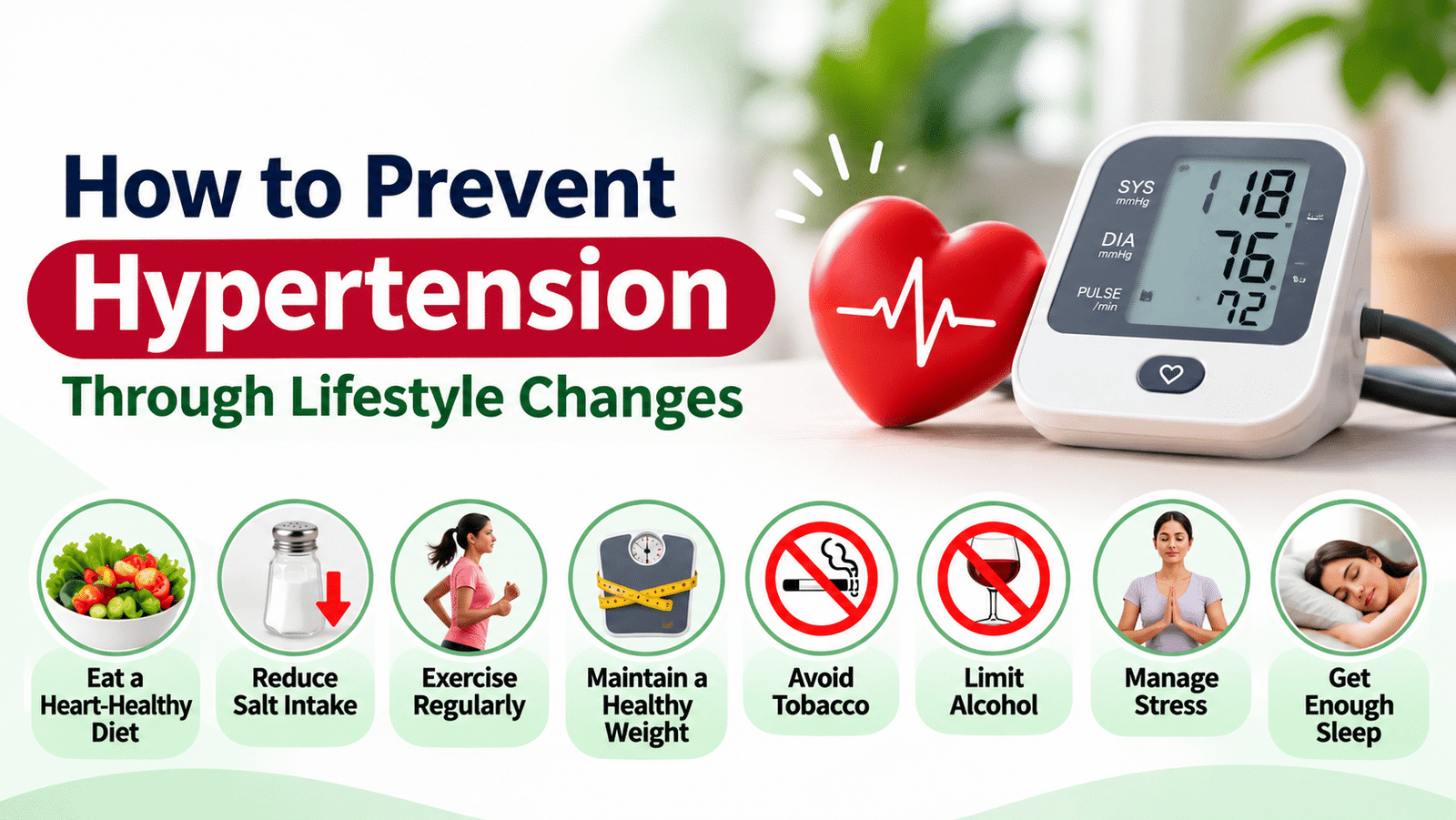
How to Prevent Hypertension Through Lifestyle Changes
Can simple changes in your daily routine help protect you from high blood pressure? Yes. The food you eat, how active you are, your sleep habits and even your salt intake can influence your blood pressure.
Hypertension, commonly known as high blood pressure, is a condition in which blood pushes against the walls of your arteries with increased force. It often develops without noticeable symptoms. This is why it is sometimes called a silent condition.
The good news is that healthy lifestyle habits can help reduce your risk of developing hypertension. Even small, consistent changes can make a meaningful difference to your long-term heart health.
In this guide, we explain practical ways to prevent hypertension, including dietary changes, exercise, weight management, stress control and regular blood pressure monitoring.
What Is Hypertension?
Blood pressure is the force exerted by circulating blood against the walls of your arteries. It is recorded using two numbers.
- Systolic pressure: The pressure in your arteries when your heart contracts and pumps blood.
- Diastolic pressure: The pressure in your arteries when your heart relaxes between beats.
For example, a reading of 120/80 mmHg contains a systolic reading of 120 and a diastolic reading of 80.
Blood pressure categories and diagnostic thresholds can vary between clinical guidelines. A single reading is not enough to diagnose hypertension. Your doctor may recommend repeated measurements on different occasions and, when appropriate, home or ambulatory monitoring.
Why Is It Important to Prevent High Blood Pressure?
When blood pressure remains high over time, it places additional strain on the heart and blood vessels. If left untreated, hypertension can increase the risk of several serious health problems.
Possible complications include:
- Heart attack and other heart diseases.
- Stroke.
- Chronic kidney disease.
- Damage to blood vessels.
- Heart failure.
- Some forms of vision damage.
Preventing or managing high blood pressure helps protect important organs and supports better long-term health.
How to Prevent Hypertension Through Lifestyle Changes
There is no single habit that prevents hypertension for everyone. A combination of healthy choices is more effective. Here are practical steps you can begin incorporating into your daily routine.
1. Reduce Salt in Your Daily Diet
Eating too much salt can increase blood pressure, particularly in people who are sensitive to sodium. Reducing salt intake is one of the most useful dietary steps for protecting your heart.
In the 2025 AHA/ACC guideline, adults are advised to keep sodium below 2,300 mg per day and move towards an ideal limit of 1,500 mg per day where appropriate.
Remember that sodium is not found only in the salt you add while cooking. It can also be present in packaged and restaurant foods.
Practical ways to reduce salt:
- Use less salt while preparing everyday meals.
- Limit pickles, papads and salty chutney powders.
- Reduce packaged snacks, chips and instant noodles.
- Check food labels for sodium content.
- Choose fresh ingredients instead of highly processed foods.
- Use lemon, garlic, ginger and herbs to add flavour.
You do not need to remove every traditional food from your diet. Start by reducing the amount of salt and high-sodium ingredients you consume regularly.
2. Eat a Heart-Healthy Diet
A balanced diet supports healthy blood pressure, weight management and overall heart health.
One well-studied eating pattern is the DASH diet, which stands for Dietary Approaches to Stop Hypertension. It focuses on fruits, vegetables, whole grains, legumes, nuts and suitable low-fat dairy products while limiting excess sodium and saturated fat.
For everyday Indian meals, you can include:
- Fruits: Apples, oranges, guavas, papayas and seasonal fruits.
- Vegetables: Spinach, carrots, beans, gourds and other fresh vegetables.
- Whole grains: Oats, whole-wheat roti, millets and brown rice.
- Protein: Dal, beans, chickpeas, fish, eggs and other suitable protein sources.
- Healthy fats: Nuts, seeds and moderate amounts of suitable cooking oils.
Try to reduce frequent consumption of deep-fried foods, processed meats, sugary drinks and foods high in saturated fat.
Remember: People with kidney disease or certain medical conditions may need individual dietary advice, especially regarding potassium-rich foods. Ask your doctor or dietitian before making major dietary changes.
3. Exercise Regularly
Physical activity helps the heart work more efficiently and can support healthy blood pressure. It also helps manage body weight, improves fitness and supports mental well-being.
For most adults, a useful goal is at least 150 minutes of moderate-intensity aerobic activity each week, along with muscle-strengthening activities on two or more days.
You can choose activities that fit your routine:
- Brisk walking.
- Cycling.
- Swimming.
- Dancing.
- Light jogging, if suitable for your fitness level.
- Strength exercises recommended for your ability.
You do not have to complete all your exercise in one session. You can divide your activity into shorter sessions throughout the week.
If you have a heart condition, uncontrolled blood pressure, joint problems or have not exercised for a long time, speak with your doctor before starting a new exercise programme.
4. Maintain a Healthy Body Weight
Carrying excess body weight can increase the risk of high blood pressure. Losing weight, when medically appropriate, may help reduce this risk.
Focus on gradual and sustainable changes rather than crash diets or extreme weight-loss plans.
Helpful habits include:
- Eating balanced meals at regular times.
- Watching portion sizes.
- Choosing whole foods more often.
- Reducing sugary beverages and frequent high-calorie snacks.
- Staying physically active throughout the day.
Your ideal weight depends on several factors, including height, age, health conditions and body composition. A doctor or qualified dietitian can help you choose a suitable target.
5. Avoid Tobacco and Smoking
Smoking and tobacco use damage blood vessels and increase the risk of cardiovascular disease. Nicotine can also cause a temporary rise in blood pressure and heart rate.
Quitting tobacco is an important step towards protecting your heart and overall health.
If you find it difficult to stop smoking, ask a healthcare professional about counselling and suitable tobacco-cessation support.
6. Limit or Avoid Alcohol
Alcohol consumption can contribute to increased blood pressure. Reducing alcohol intake or avoiding it altogether can support better cardiovascular health.
If you drink alcohol, discuss your consumption with your doctor. Do not start drinking for any supposed health benefit.
7. Manage Stress in Healthy Ways
Stress is a normal part of life, but ongoing stress can affect sleep, eating habits and other behaviours that influence blood pressure.
Try simple activities that help you relax:
- Practise slow, comfortable breathing.
- Take a short walk outdoors.
- Spend time with family and friends.
- Try yoga or meditation if suitable for you.
- Make time for hobbies and activities you enjoy.
- Maintain a regular daily routine.
Stress-management techniques can support general well-being, but they should not replace medical treatment for hypertension.
8. Get Enough Quality Sleep
Sleep plays an important role in heart health. Regularly sleeping too little or having disturbed sleep may be associated with a higher risk of high blood pressure.
Most adults should aim for around seven to nine hours of sleep each night, although individual needs can vary.
To improve your sleep routine:
- Go to bed and wake up at consistent times.
- Avoid heavy meals close to bedtime.
- Reduce screen exposure before sleeping.
- Keep your bedroom quiet and comfortable.
- Limit caffeine late in the day.
If you snore loudly, wake up gasping or feel excessively sleepy during the day, speak with a doctor. These symptoms may indicate sleep apnoea, which is associated with high blood pressure.
9. Monitor Your Blood Pressure Regularly
You cannot reliably tell whether your blood pressure is high by how you feel. Many people with hypertension have no obvious symptoms.
Regular blood pressure checks can help identify elevated readings early, allowing you and your doctor to take appropriate steps.
When checking your blood pressure at home:
- Use a validated automatic upper-arm blood pressure monitor with the correct cuff size.
- Avoid smoking, caffeine and exercise for at least 30 minutes beforehand.
- Sit quietly for five minutes before taking a reading.
- Keep your back supported and feet flat on the floor.
- Rest your arm at heart level.
- Take readings as advised by your healthcare professional and record the results.
Bring your readings to your medical appointments. Your doctor can interpret them in the context of your overall health.
Foods to Eat More Often and Foods to Limit
| Choose More Often | Limit or Reduce |
|---|---|
| Fresh fruits and vegetables | Packaged salty snacks |
| Whole grains and millets | Highly processed foods |
| Dal, beans and legumes | Processed meats |
| Unsalted nuts and seeds | Excessively salty pickles and papads |
| Home-cooked balanced meals | Frequent deep-fried foods |
| Water and unsweetened drinks | Sugary beverages |
These are general suggestions. Your food choices should be adjusted to your individual health needs, particularly if you have diabetes, kidney disease or other medical conditions.
Can Lifestyle Changes Alone Control High Blood Pressure?
Lifestyle changes can help prevent hypertension and may lower blood pressure in people who already have it. However, they do not always replace medication.
Some people need prescribed blood pressure medicines alongside healthy eating, exercise and other lifestyle changes. This is particularly important when blood pressure is significantly elevated or when other health risks are present.
Never stop, reduce or change your prescribed medication without speaking to your doctor, even if your readings improve.
When Should You Consult a Doctor?
Consider arranging a medical consultation if:
- Your blood pressure readings are repeatedly higher than the recommended range.
- You have diabetes, kidney disease or a history of heart disease.
- You have a family history of hypertension and want to understand your risk.
- You are unsure how often to check your blood pressure.
- You need help choosing a suitable diet or exercise routine.
Simple Daily Habits for Better Blood Pressure
You do not have to change your entire lifestyle in one day. Start with small steps and build a routine that you can maintain.
- Choose a fruit instead of a salty packaged snack.
- Reduce the amount of salt used in cooking.
- Walk for 30 minutes, if suitable for your health.
- Include vegetables in your main meals.
- Drink enough water throughout the day.
- Avoid tobacco and limit or avoid alcohol.
- Follow a regular sleep schedule.
- Check your blood pressure as recommended by your doctor.
Consistency matters more than making many changes for just a few days.
Frequently Asked Questions About Hypertension Prevention
1. Can hypertension be prevented naturally?
Healthy habits such as eating a balanced diet, reducing salt intake, exercising regularly, maintaining a suitable body weight and avoiding tobacco can help lower the risk of developing hypertension. However, age, genetics and other medical factors also influence risk.
2. Which foods help prevent high blood pressure?
Fruits, vegetables, whole grains, legumes, nuts and other minimally processed foods can support healthy blood pressure. A DASH-style eating pattern is one evidence-based approach. Individual food choices may need adjustment for people with kidney disease or other conditions.
3. Does walking help reduce blood pressure?
Yes. Regular brisk walking is a form of aerobic exercise that can support healthy blood pressure. Aim for a suitable activity routine, building up gradually if you are currently inactive.
4. Can young adults develop hypertension?
Yes. High blood pressure can affect young adults as well as older people. Family history, excess body weight, high-salt diets, inactivity, tobacco use and certain medical conditions can increase the risk.
5. How often should I check my blood pressure?
The frequency depends on your age, previous readings and health conditions. Ask your doctor how often you should have your blood pressure checked. People monitoring hypertension at home should follow a consistent schedule recommended by their healthcare professional.
6. Can I stop blood pressure medication after changing my lifestyle?
No. Do not stop your medication on your own. Even if lifestyle changes improve your readings, your doctor should decide whether any adjustment is appropriate.
Conclusion
Preventing hypertension starts with everyday choices. Eating less salt, choosing nutritious foods, staying active, maintaining a healthy weight, avoiding tobacco and getting enough sleep can all support better blood pressure.
Most importantly, do not wait for symptoms before checking your blood pressure. Regular monitoring and timely medical advice can help identify problems early.
Start with one healthy change today. Over time, small steps can make a meaningful difference to your heart and overall health.

