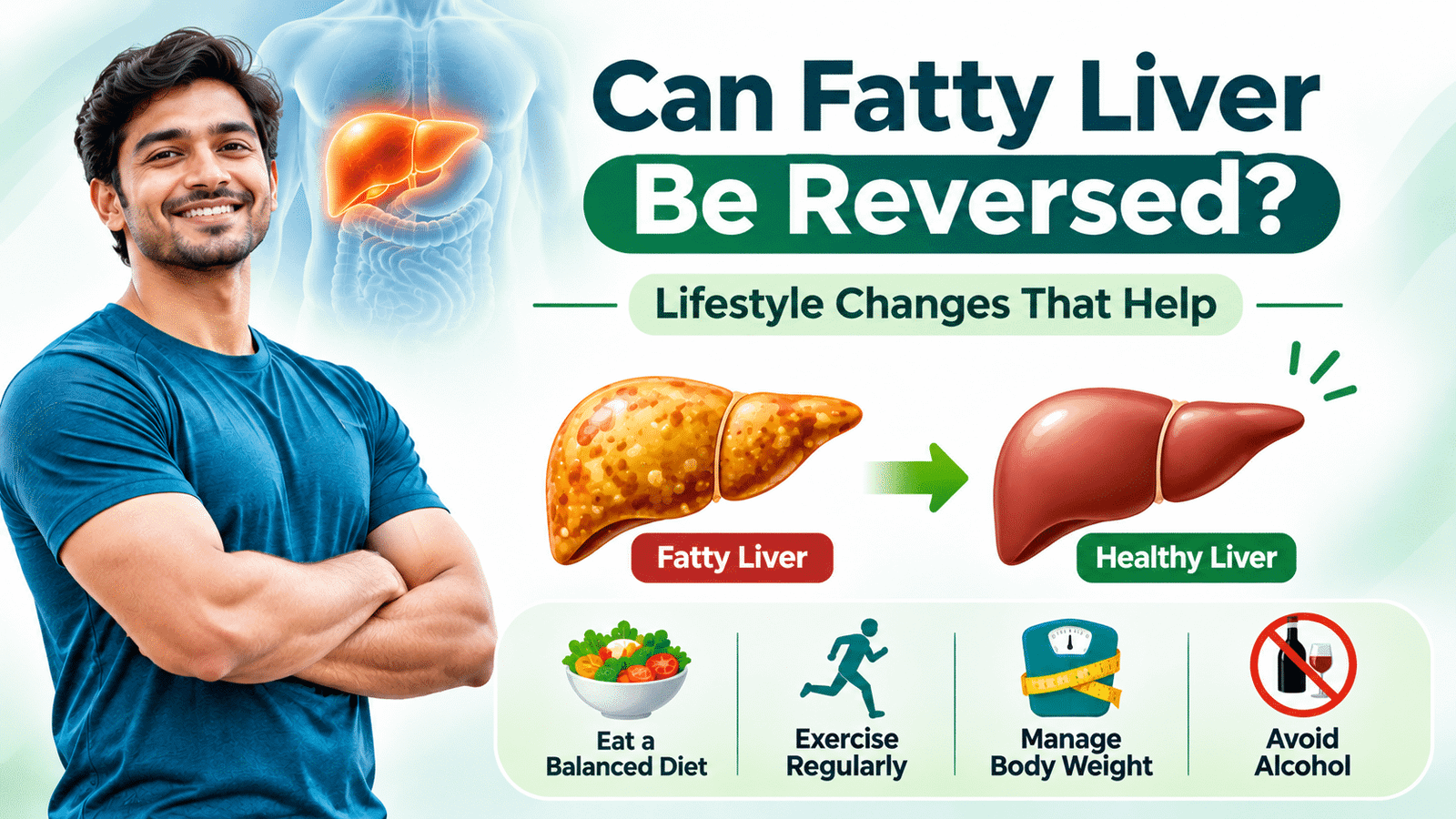
Can Fatty Liver Be Reversed? Lifestyle Changes That Help
Fatty liver disease is becoming increasingly common. Many people discover it during a routine health check-up or an abdominal ultrasound. Some have no noticeable symptoms, while others may experience tiredness or discomfort in the upper right side of the abdomen.
One of the first questions people ask after receiving a fatty liver diagnosis is: Can fatty liver be reversed?
The good news is that fatty liver can often improve significantly, particularly when it is detected early. Healthy eating, gradual weight loss, regular physical activity and better control of blood sugar and cholesterol can help reduce fat in the liver.
Yes, fatty liver can often improve and, in its early stages, the excess liver fat may be reversed. However, the outcome depends on the cause, disease stage and presence of liver scarring. Advanced fibrosis or cirrhosis requires specialist care and may not fully reverse.
What Is Fatty Liver Disease?
Fatty liver disease occurs when excess fat builds up inside liver cells. A small amount of fat in the liver can be normal, but excessive fat accumulation may affect how the liver functions.
Fatty liver is commonly associated with conditions such as obesity, type 2 diabetes, high cholesterol and high blood pressure.
Doctors now commonly use the term Metabolic Dysfunction-Associated Steatotic Liver Disease (MASLD) for fatty liver associated with metabolic risk factors. The older term NAFLD may still appear in medical reports and online information.
Fatty liver can also be associated with alcohol consumption. Alcohol-related liver disease is a separate condition that requires appropriate medical assessment.
Can Fatty Liver Be Reversed Completely?
In many people, especially those with early-stage fatty liver, liver fat can decrease considerably with consistent lifestyle changes.
The liver has an important ability to repair itself. When the factors causing fat accumulation are controlled, liver fat and inflammation may improve.
However, the extent of improvement depends on how far the disease has progressed.
Stage 1: Simple Fatty Liver
This stage involves excess fat in the liver without significant liver inflammation or scarring. It is often possible to reduce liver fat through healthy eating, weight management and regular exercise.
Stage 2: Metabolic Dysfunction-Associated Steatohepatitis (MASH)
In this stage, excess fat is associated with liver inflammation and damage. It was previously known as non-alcoholic steatohepatitis (NASH).
Lifestyle changes can improve liver inflammation. Medical monitoring is important because some people may develop liver scarring over time.
Stage 3: Liver Fibrosis
Repeated liver injury can lead to the formation of scar tissue. This is called fibrosis.
Early or moderate fibrosis may improve in some people when the underlying cause is treated. More advanced fibrosis needs careful assessment and long-term medical follow-up.
Stage 4: Liver Cirrhosis
Cirrhosis is advanced liver scarring that changes the structure and function of the liver. Some complications may be managed and further damage may be reduced, but established cirrhosis generally cannot be completely reversed.
How Much Weight Loss Can Help Reverse Fatty Liver?
For people who are overweight or living with obesity, gradual weight loss is one of the most effective ways to improve metabolic fatty liver disease.
Medical guidance suggests that different amounts of weight loss can produce different benefits:
| Weight loss target | Potential benefit |
|---|---|
| 3%–5% of body weight | May reduce fat accumulation in the liver. |
| 7%–10% of body weight | May improve liver inflammation and related injury. |
| 10% or more | May improve liver fibrosis in some people. |
These are general targets for adults with overweight or obesity, not guaranteed outcomes. Your doctor or dietitian can help decide an appropriate target based on your health and nutritional needs.
For example, a person weighing 80 kg who loses 5% of their body weight would lose approximately 4 kg.
Avoid crash diets or sudden weight loss. Gradual and sustainable changes are safer and easier to maintain.
7 Lifestyle Changes That Help Improve Fatty Liver
There is no single food or home remedy that removes liver fat. Consistent daily habits are more important than short-term diets or expensive supplements.
1. Follow a Balanced and Healthy Diet
Your daily food choices can influence liver fat and metabolic health. Choose a balanced diet with vegetables, fruits, whole grains, legumes, nuts and healthy sources of protein.
Try including the following foods in your meals:
- Green leafy vegetables such as spinach and amaranth.
- Vegetables such as carrots, beans, cucumber and gourds.
- Whole grains such as oats, brown rice and millets.
- Protein sources such as dal, beans, eggs, fish and lean chicken.
- Fruits such as apples, guava, oranges and papaya.
- Nuts and seeds in suitable portions.
You do not need to follow an expensive diet. A balanced home-cooked Indian diet can be a practical starting point.
2. Reduce Sugar and Sugary Drinks
Frequent consumption of added sugar can contribute to excess calorie intake and metabolic problems.
Try to reduce:
- Soft drinks and packaged sweetened beverages.
- Sweetened fruit juices.
- Excessive sweets and desserts.
- Sugar-heavy tea and coffee.
- Packaged foods with high added sugar content.
Choose water instead of sugary drinks. Whole fruits are generally a better choice than fruit juice because they provide fibre.
3. Limit Fried and Highly Processed Foods
Foods high in saturated fat, trans fat and excess calories may contribute to poor metabolic health.
Limit frequent consumption of:
- Deep-fried snacks.
- Fast food and processed foods.
- Packaged bakery products.
- Processed meats.
- Foods containing large amounts of added fats.
You do not need to remove every traditional food from your diet. Focus on portion sizes, cooking methods and the overall balance of your meals.
4. Exercise Regularly
Physical activity helps improve insulin sensitivity and metabolic health. It can also reduce liver fat, even when there is little change in body weight.
Choose activities that fit your fitness level, such as:
- Brisk walking.
- Cycling.
- Swimming.
- Light jogging, if suitable.
- Strength training.
- Yoga and other suitable physical activities.
For many adults, a useful goal is at least 150 minutes of moderate-intensity physical activity each week. You can divide this into 30 minutes on five days.
If you are currently inactive, begin with shorter sessions and gradually increase the duration. People with advanced liver disease or other medical conditions should discuss exercise plans with their doctor.
5. Manage Diabetes, Cholesterol and Blood Pressure
Fatty liver is closely linked to metabolic health. High blood sugar, insulin resistance, abnormal cholesterol levels and high blood pressure can increase the risk of liver-related complications.
If you have diabetes, high cholesterol or hypertension, follow your treatment plan and attend regular check-ups.
Do not stop prescribed medicines because you have fatty liver. Discuss any concerns about medication with your treating doctor.
6. Avoid Alcohol
Alcohol can cause additional liver injury. If you have been diagnosed with fatty liver, discuss alcohol use honestly with your doctor.
Avoiding alcohol is particularly important if there is liver inflammation, fibrosis or cirrhosis. Your doctor can advise you based on your individual condition.
7. Maintain Healthy Sleep and Daily Habits
Good sleep and a consistent routine support overall metabolic health.
Helpful habits include:
- Maintaining a regular sleep schedule.
- Avoiding frequent late-night overeating.
- Taking short movement breaks during long periods of sitting.
- Managing stress through suitable relaxation activities.
- Maintaining a healthy and sustainable body weight.
These habits support your overall health, although they should not replace medical treatment or follow-up.
Indian Diet Plan: What Can You Eat With Fatty Liver?
People with fatty liver often worry that they must stop eating rice, roti or traditional Indian foods. This is not necessarily true.
The goal is to eat balanced meals, manage portions and reduce foods high in added sugar and unhealthy fats.
| Meal | Suggested food choices |
|---|---|
| Early morning | Water and a small portion of nuts, if suitable. |
| Breakfast | Idli with sambar, vegetable dosa or oats with suitable protein. |
| Mid-morning | One whole fruit such as guava, apple or orange. |
| Lunch | Moderate portion of rice or chapati, dal, vegetables and curd if tolerated. |
| Evening snack | Roasted chana, sprouts or a small portion of nuts. |
| Dinner | Chapati or a moderate portion of rice with vegetables and a protein source. |
This is only an example, not a prescribed diet. Food portions and nutritional needs vary according to body weight, diabetes, activity levels and other medical conditions.
A qualified dietitian can help create a personalised food plan.
Which Foods Should You Limit If You Have Fatty Liver?
Some foods are best consumed less frequently because they can contribute to excess calorie intake and metabolic problems.
- Soft drinks and sugar-sweetened beverages.
- Excessive sweets and desserts.
- Deep-fried foods.
- Highly processed snacks.
- Processed meats.
- Large portions of refined carbohydrates.
- Alcohol, particularly when liver disease is present.
Remember that no single food causes or cures fatty liver on its own. Your overall eating pattern matters more than one meal.
Can Fatty Liver Be Reversed Without Medicines?
Many people with early metabolic fatty liver disease can improve their liver health through lifestyle changes. Weight management, regular exercise and a balanced diet are important parts of treatment.
However, some people have additional medical conditions or more advanced liver disease that require specific treatment and monitoring.
There is no single medicine or supplement that is suitable for everyone with fatty liver. Treatment decisions depend on the cause, stage of disease and associated health conditions.
Do not start herbal liver tonics, detox products or supplements without medical advice. Some products can cause liver injury or interact with prescribed medicines.
How Long Does It Take to Improve Fatty Liver?
There is no fixed recovery period for fatty liver. Some people show improvement in liver fat after several months of consistent lifestyle changes, while others may need longer treatment and monitoring.
The outcome depends on several factors:
- The amount of fat in the liver.
- Whether liver inflammation is present.
- The degree of liver fibrosis.
- Body weight and metabolic health.
- Control of diabetes and cholesterol.
- Consistency with diet and exercise.
Do not assume that the liver is healthy simply because you feel better. Follow-up tests and medical assessment help determine whether the condition is improving.
How Is Fatty Liver Diagnosed and Monitored?
Fatty liver may be discovered during a routine ultrasound or health check-up. A doctor will consider your medical history, risk factors, physical examination and test results.
Depending on your condition, investigations may include:
1. Liver Function Tests
Blood tests may measure liver enzymes such as ALT and AST. These results can help identify possible liver injury. However, normal liver enzyme levels do not always rule out significant liver disease.
2. Abdominal Ultrasound
An ultrasound may show excess fat in the liver. It is commonly used to identify fatty liver, but it cannot reliably determine the exact degree of liver scarring.
3. FibroScan or Liver Stiffness Assessment
FibroScan is a non-invasive test that measures liver stiffness and estimates liver fat using controlled attenuation parameter measurements. It can help doctors assess the risk of fibrosis in appropriate patients.
4. Additional Blood Tests
Your doctor may use blood test results and risk assessment scores, such as FIB-4, to estimate the likelihood of advanced fibrosis and decide whether further evaluation is required.
Not everyone needs every test. The doctor selects investigations based on individual risk and clinical findings.
When Should You Consult a Gastroenterologist?
Fatty liver often develops without obvious symptoms. This is why medical evaluation is important, especially if you have diabetes, obesity, high cholesterol or a family history of liver disease.
Consult a gastroenterologist if:
- Your ultrasound report shows fatty liver.
- Your liver enzyme levels are repeatedly abnormal.
- You have diabetes or multiple metabolic risk factors.
- You experience persistent discomfort in the upper right abdomen.
- You have been diagnosed with liver fibrosis or cirrhosis.
- Your liver reports are not improving despite lifestyle changes.
- Yellowing of the eyes or skin.
- Swelling of the abdomen or legs.
- Vomiting blood or passing black, tarry stools.
- Confusion, unusual drowsiness or severe weakness.
Frequently Asked Questions About Fatty Liver
1. Can fatty liver be reversed naturally?
Early-stage fatty liver can often improve with gradual weight loss, balanced eating, regular exercise and control of metabolic conditions. However, the result depends on the disease stage and underlying cause.
2. Which fruits are good for fatty liver?
Whole fruits such as guava, apple, orange, papaya and berries can be included in a balanced diet. Choose whole fruit instead of sugary fruit juices and manage portion sizes.
3. Is rice bad for fatty liver?
Rice does not need to be completely avoided. Choose suitable portions and combine rice with vegetables, dal and protein sources. Your overall diet and calorie intake matter more than one food.
4. Does walking help reduce fatty liver?
Yes. Regular walking and other forms of physical activity can help reduce liver fat and improve metabolic health. A common target for adults is at least 150 minutes of moderate activity per week, adjusted to individual ability.
5. Can fatty liver occur in people who are not overweight?
Yes. Fatty liver can occur in people who are not overweight. Metabolic risk factors, genetics, diet and other medical conditions may contribute. A healthy-looking body weight does not rule out fatty liver.
6. Can fatty liver become liver cirrhosis?
Some people with fatty liver develop inflammation and progressive fibrosis, which can eventually lead to cirrhosis. However, not everyone with fatty liver develops advanced liver disease. Early assessment and appropriate management are important.
7. Is FibroScan necessary for every fatty liver patient?
No. FibroScan is not necessary for everyone. Your doctor may recommend it if your medical history, blood tests or other findings suggest an increased risk of liver fibrosis.
8. Can fatty liver return after it improves?
Yes. Liver fat can build up again if the underlying metabolic risk factors return or remain uncontrolled. Maintaining healthy habits and attending follow-up appointments are important.
Medical Disclaimer
This article is intended for general health education. It does not replace a medical consultation, diagnosis or treatment. Fatty liver can have different causes and stages. Always consult a qualified healthcare professional before making significant changes to your diet, exercise routine or medication.
