
Why This Matters
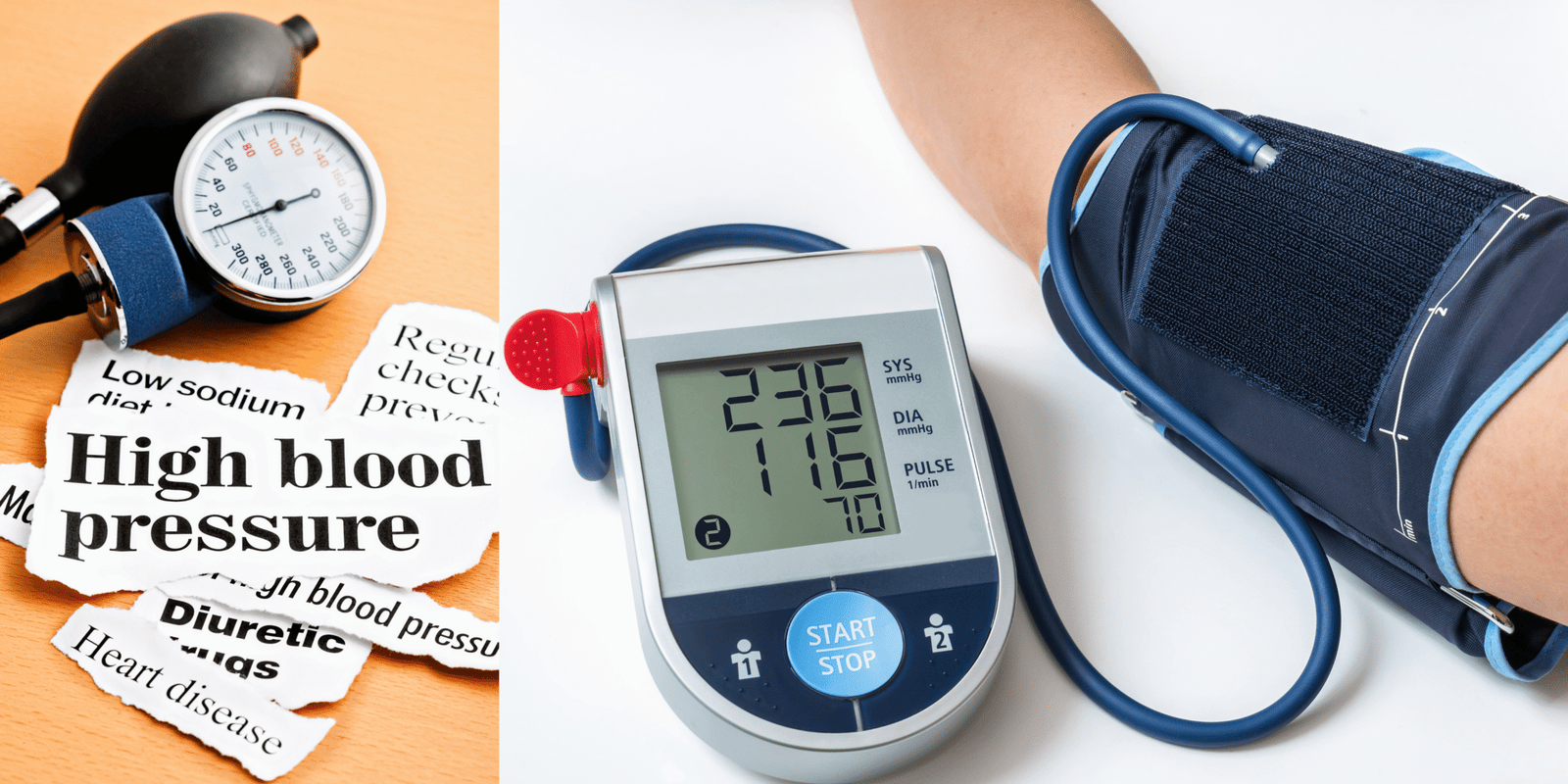
High Blood Pressure: Causes, Symptoms, and Treatment is not a medical terminology list. It’s something millions of people go through every day. If the pressure in your arteries stays too high, it forces your heart and blood vessels to work harder. Extra effort over months or years can lead to heart attacks, strokes, kidney difficulties, and even blindness. The encouraging news is that knowing the essentials can help you spot problems early and take simple steps to stay healthy.
What Makes Blood Pressure Go Up?
Common reasons
- Family history – If your parents or siblings have high blood pressure, your risk increases.
- Age: As you get older, your arteries become less elastic.
- Excess salt – Excess sodium causes water retention, increasing the volume inside your vessels.
- Lack of exercise – A sedentary lifestyle weakens the cardiac muscle.
- Weight gain —more body weight demands more blood to feed tissues.
- Stress and poor sleep — Hormones like cortisol constrict arteries.
- Alcohol and smoke both cause damage to the lining of the vessels.
Subtle Triggers
Some illnesses are undetectable: thyroid issues, sleep apnea, and some drugs, such as birth-control pills or decongestants. If the numbers are high even with healthy habits, the doctor will search for these “secondary” factors.
Clues Your Body Gives You
Many call high blood pressure the “silent threat” since it might be there and not show any obvious indicators. But some individuals notice the following:
- Morning headache
- Floating spots or blurred eyesight
- Spontaneous epistaxis (nosebleeds)
- Difficulty breathing with light exercise
These clues can be modest and easy to shrug off, which is why it is so important to get regular checkups at home, drugstores, or clinics.
“The only way to know your numbers is to measure them,” says the American Heart Association.
How To Check and Track
- Sit quietly for 5 minutes.
- Place the cuff on a bare upper arm at heart level
- Obtain two readings, one minute apart, and average them.
- Take the log with you to all doctor visits.
Target below 120/80 mmHg unless your provider gives you a different objective.
Steps to Reduce Numbers
Daily Movements
- Color your plate: fruits, vegetables, and healthy grains.
- Salt Less: taste food before adding salt. Fresh is better than packaged.
- Walk, cycle, or dance for 30 minutes a day.
- Limit booze. No more than one drink a day for ladies; two drinks a day for males.
- Stop smoking: advantages start within 20 minutes following your last cigarette.
Medical Options If lifestyle modifications aren’t enough, your doctor may suggest the following:
- Diuretics (water pills)
- ACE inhibitors
- Blocker of calcium channel
- Beta-blockers
Taking your tablets at the same time every day and without missing a refill helps maintain your statistics as constant.
Conclusion
Managing high blood pressure can be overwhelming, but taking a few steady steps can make a significant difference. Monitor your pressure, listen to your body, and have open conversations with your healthcare provider. A few smart choices today can help safeguard your heart, brain, and kidneys for years to come.

