
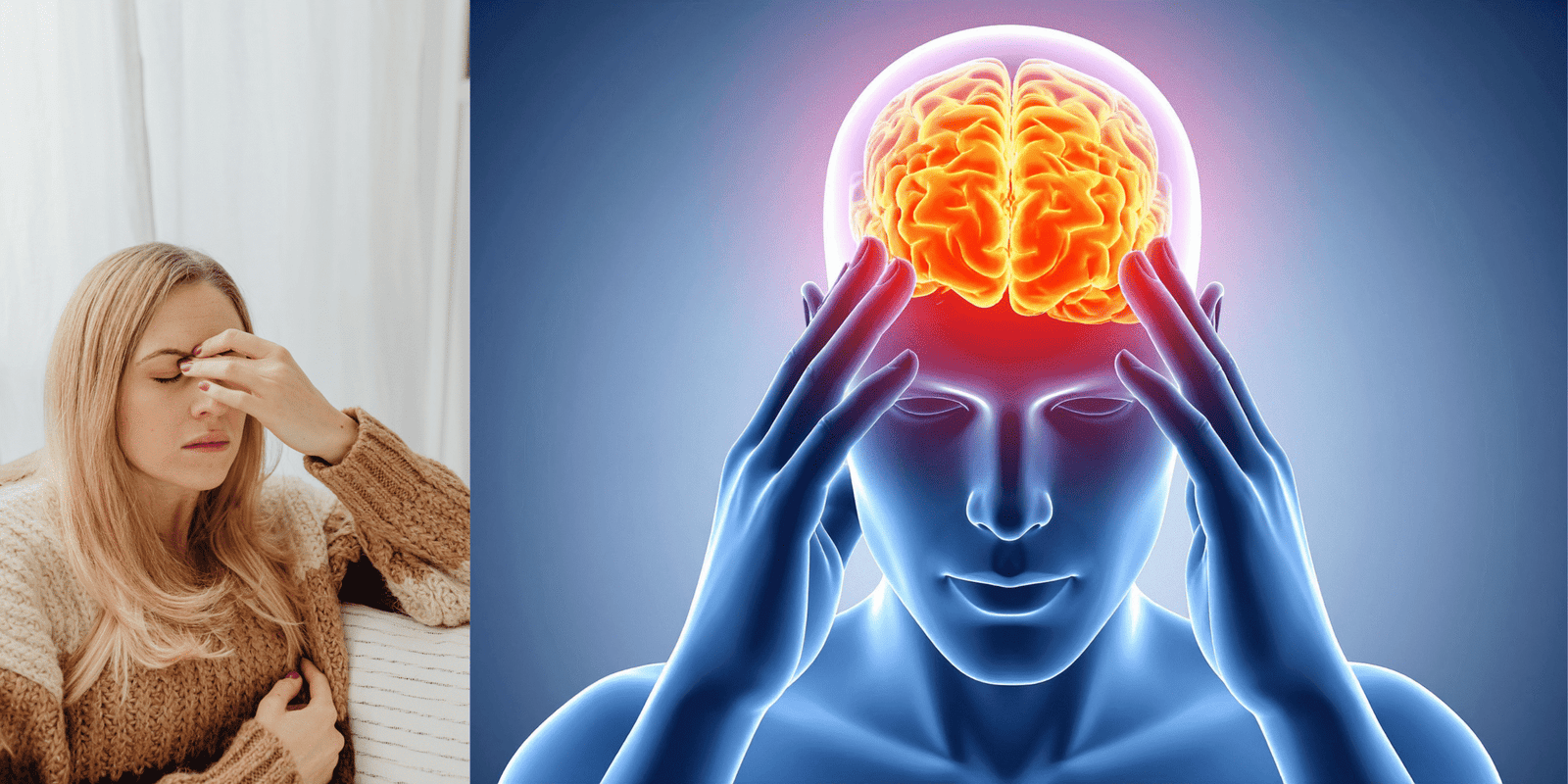
Headaches and migraines are common nowadays. Ever found yourself squinting at a screen or rubbing your body in the middle of the day, wondering where that pounding pain came from? You’re not alone.
Headaches and migraines are so widespread that nearly everyone has felt their unwelcome throb at least once. Below, we’ll unpack the most frequent triggers, share real-life stories, and offer a few practical tips you can start using today.
Everyday Lifestyle Triggers Screen Time Overload Staring at phones, laptops, or TVs for hours puts strain on the eyes, and tightens the muscles in the neck which can trigger tension-style headaches.
TIPS:
- Every 20 minutes, look 20 feet away for 20 seconds (the “20-20-20 rule”). It gives your eyes and mind a quick reset.
- Skipped Meals and Dehydration Blood sugar dips or too little water can set off both headaches and migraines.
- Snack on protein and fiber: a handful of nuts, yogurt, or fruit.
- Keep a refillable bottle handy; aim for 6–8 glasses daily.
- Caffeine Swings A morning coffee can help, but sudden increases or abrupt withdrawal often backfire.
- Try to keep daily intake steady—about one to two small cups.
Environmental and Sensory Factors Loud Noises and Bright Lights Think concerts, busy streets, or even flickering fluorescent lights. These bombard the senses and can flip the migraine switch. Strong Smells Perfumes, cleaning products, or even a neighbor’s cooking may trigger nausea-tinged migraine pain in sensitive people.
“I realized my ‘mysterious’ Sunday migraines always started after I cleaned with a citrus spray.” Hormonal Changes the Monthly Cycle Fluctuating estrogen levels explain why many women report headaches and migraines right before or during their periods.
Therapy
Birth Control and Hormone Therapy Any medication that alters hormone levels can be a double-edged sword: helpful for some, headache-provoking for others. Hidden Medical Contributors Sleep Disorders: Sleep apnea, insomnia, or even an irregular bedtime can prime the brain for pain the next day.
High blood pressure and sinus problems can both restrict proper blood flow or cause pressure to radiate to the head. Go to the doctor right away if your headache symptoms get worse quickly or you have other symptoms, such as loss of vision or numbness.
Stress: The Over-Common Trigger Deadlines, family commitments, or even happy occasions can tense muscles and flood the body with stress hormones. Chronic tension often turns into everyday, low-grade headaches. Quick Relaxation Mini-Routine
- Breathe in for 4 seconds and close your eyes.
- Breathe out for 4 seconds.
- Exhale slowly over 6 seconds.
- Shrug shoulders up to ears, hold, and release.
Repeat twice; it takes under a minute and calms both mind and muscles.
Quick Recap and Next Steps Headaches and migraines rarely have a single cause. They’re usually the result of overlapping factors—screen time, skipped meals, hormone shifts, environmental triggers, medical issues, and everyday stress.
- Keep a simple pain diary: record time, food, sleep, and activities.
- Change one habit at a time; even small changes can have a significant impact.
- See a healthcare professional if the pain is severe, frequent, or unusual.
Remember, understanding your own pattern is the first—and often the most powerful—step to clearer, pain-free days.
Conclusion
Headaches and migraines are common conditions that can affect people of all ages and significantly impact daily life. While occasional headaches are often caused by stress, dehydration, lack of sleep, or eye strain, migraines are a more complex neurological condition that may be triggered by hormonal changes, certain foods, environmental factors, or genetics.

