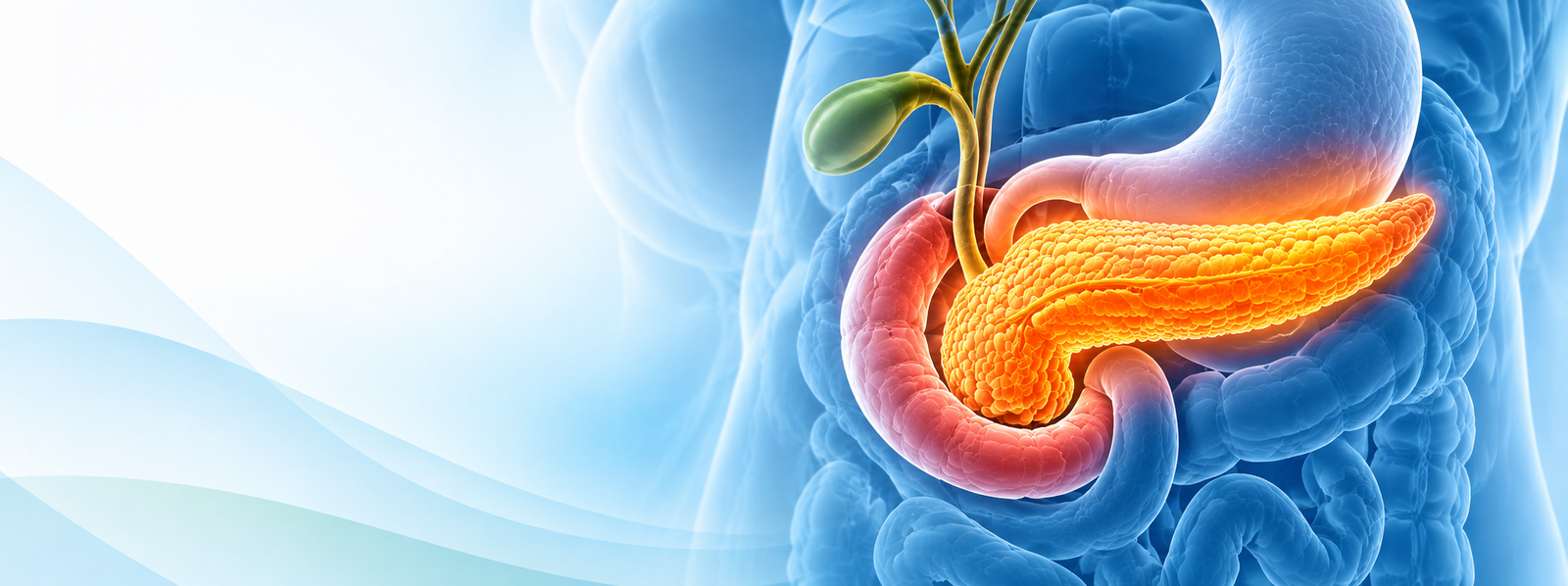
The pancreas is an important organ located behind the stomach that plays a vital role in digestion and blood sugar regulation. Conditions affecting the pancreas can range from inflammation and cysts to pancreatic tumors and other disorders that may require specialist evaluation and treatment.
At Jeevika Hospital, patients with pancreatic conditions can receive comprehensive evaluation, diagnosis and treatment based on their individual medical needs. Our multidisciplinary approach helps patients receive coordinated care from experienced specialists.
The pancreas is a gland located in the upper abdomen. It performs two major functions:
• Digestive function: It produces enzymes that help the body digest fats, proteins and carbohydrates.
• Hormonal function: It produces hormones such as insulin and glucagon that help regulate blood glucose levels.
Problems affecting the pancreas can interfere with digestion, blood sugar control, or both.
Some common conditions affecting the pancreas include:
Acute Pancreatitis
Acute pancreatitis is a sudden inflammation of the pancreas. It can cause significant abdominal pain and may require prompt medical evaluation.
Chronic Pancreatitis
Chronic pancreatitis is long-term inflammation that can progressively affect pancreatic function. It may cause recurring abdominal pain, digestive problems and difficulty absorbing nutrients.
Pancreatic Cysts
Pancreatic cysts are fluid-filled or other types of lesions that may develop within or around the pancreas. Some are harmless, while others may require monitoring or further evaluation.
Pancreatic Tumors
Pancreatic tumors can be benign or malignant. Persistent symptoms or suspicious findings on imaging may require additional investigations and specialist assessment.
Pancreatic Cancer
Pancreatic cancer develops when abnormal cells in the pancreas grow uncontrollably. Early evaluation of concerning symptoms can help doctors determine the appropriate diagnostic and treatment pathway.
Pancreatic Pseudocyst
A pancreatic pseudocyst can develop following inflammation or injury to the pancreas. Depending on its size, symptoms and complications, observation or treatment may be recommended.
You should consider medical evaluation if you experience persistent abdominal pain, unexplained weight loss, recurring digestive problems, jaundice, or other symptoms that do not improve.
Severe abdominal pain, repeated vomiting, fainting, difficulty breathing, or other acute symptoms may require urgent medical attention.
The doctor may recommend investigations based on your symptoms and medical history.
Diagnostic evaluation may include:
Not every patient requires all of these investigations. The appropriate tests depend on the suspected condition.
Patients seeking evaluation for pancreatic conditions can benefit from coordinated care involving the appropriate medical and surgical specialists.
At Jeevika Hospital, our approach focuses on:
The pancreas is an organ located behind the stomach. It helps with digestion by producing digestive enzymes and also produces hormones such as insulin that help regulate blood sugar.
Common pancreatic conditions include pancreatitis, chronic pancreatitis, pancreatic cysts, pancreatic pseudocysts, pancreatic tumors and pancreatic cancer.
Symptoms may include upper abdominal pain, pain that spreads to the back, nausea, vomiting, digestive problems, loss of appetite, unexplained weight loss and jaundice. Symptoms vary depending on the underlying condition.
Pancreatitis can have several causes, including gallstones, certain medications, metabolic conditions and other factors. The cause should be evaluated by a doctor based on the patient's medical history and investigations.
Pancreatitis can range from a mild condition to a potentially serious illness. Acute symptoms, particularly severe or persistent abdominal pain and repeated vomiting, require prompt medical evaluation.
Doctors may use blood tests and imaging investigations such as ultrasound, CT, MRI/MRCP or endoscopic ultrasound. Additional tests may be recommended depending on the suspected condition.
Some pancreatic cysts may only require observation and periodic imaging, while others may require endoscopic or surgical treatment. Management depends on the type, size, appearance and other clinical factors.
Pancreatic surgery may be recommended for selected conditions such as certain pancreatic tumors, complicated cysts or other problems that cannot be appropriately managed with medication or minimally invasive treatment.