The gallbladder is a small organ located beneath the liver that stores bile and releases it to help digest fats. While it supports digestion, the body can function normally without it. When gallstones or other gallbladder conditions cause recurring pain, inflammation, infection, or complications, surgery may be recommended.
At Jeevika Hospital, patients undergo a thorough evaluation before treatment. Our surgical team considers the symptoms, medical history, diagnostic reports, and overall health to determine the most suitable approach.
If you have been diagnosed with gallstones or are experiencing persistent abdominal pain, nausea, or digestive discomfort, a consultation with a surgeon can help determine whether treatment is necessary.
Gallbladder surgery is usually considered when gallstones or another gallbladder condition starts causing symptoms or leads to complications. The decision is based on the severity and frequency of symptoms, along with the results of medical tests and scans.
Having gallstones does not always mean that surgery is necessary. People who have no symptoms may sometimes be managed with observation, while those experiencing persistent symptoms or complications may benefit from surgery.
A surgeon will review your symptoms, medical history, ultrasound or other imaging results, and overall health before recommending the most appropriate treatment
Gallbladder problems can cause discomfort that may range from mild to severe. Symptoms often become noticeable after meals or may occur when a gallstone affects the normal flow of bile.
Symptoms can vary depending on the underlying condition. Severe, persistent, or worsening abdominal pain should not be ignored. Seek medical attention promptly, especially if the pain is accompanied by fever, repeated vomiting, or jaundice.
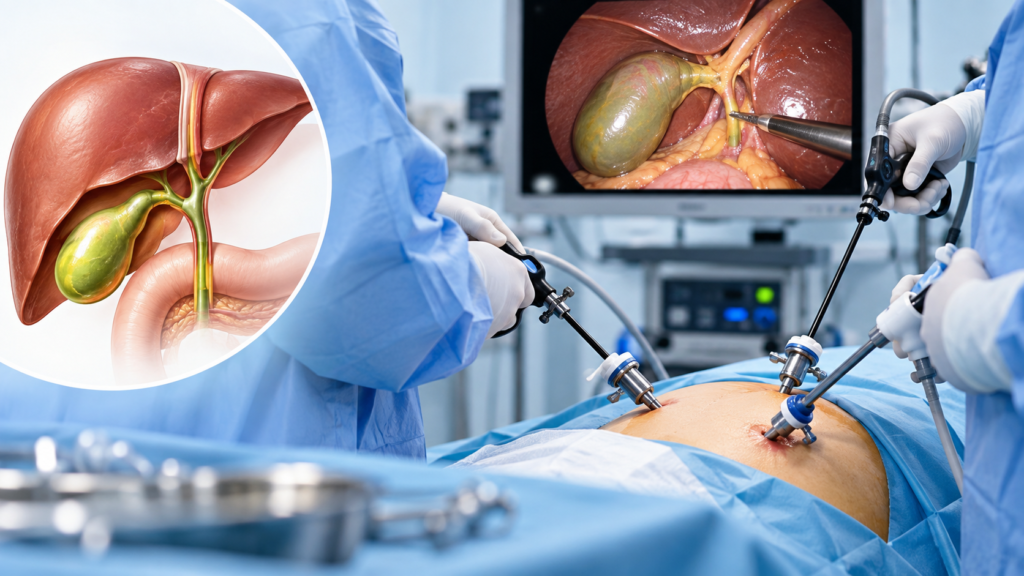
Laparoscopic gallbladder removal is a minimally invasive procedure performed through several small abdominal incisions. A laparoscope and specialized instruments are used to remove the gallbladder.
Potential advantages include:
• Smaller incisions
• Less postoperative discomfort compared with open surgery in many cases
• Reduced scarring
• Earlier mobility
• Faster recovery for many patients
Open gallbladder surgery involves a larger incision in the abdomen. It may be recommended when laparoscopic surgery is not appropriate or when complications make open surgery safer.
The choice of surgical technique depends on the patient’s condition and the surgeon’s clinical assessment.
Recovery after gallbladder surgery can vary depending on the surgical approach and your overall health. Most people can gradually return to their usual routine as their body heals, following the advice provided by their surgeon.
During the recovery period, you may be advised to:
Your recovery experience may differ from someone else’s. Following your surgeon’s instructions and allowing adequate time for healing can help support a smooth recovery.
At Jeevika Hospital, our surgical care focuses on accurate diagnosis, appropriate treatment planning, and comprehensive patient care.
Our approach includes:
Our team evaluates each patient individually to determine the most appropriate treatment option.
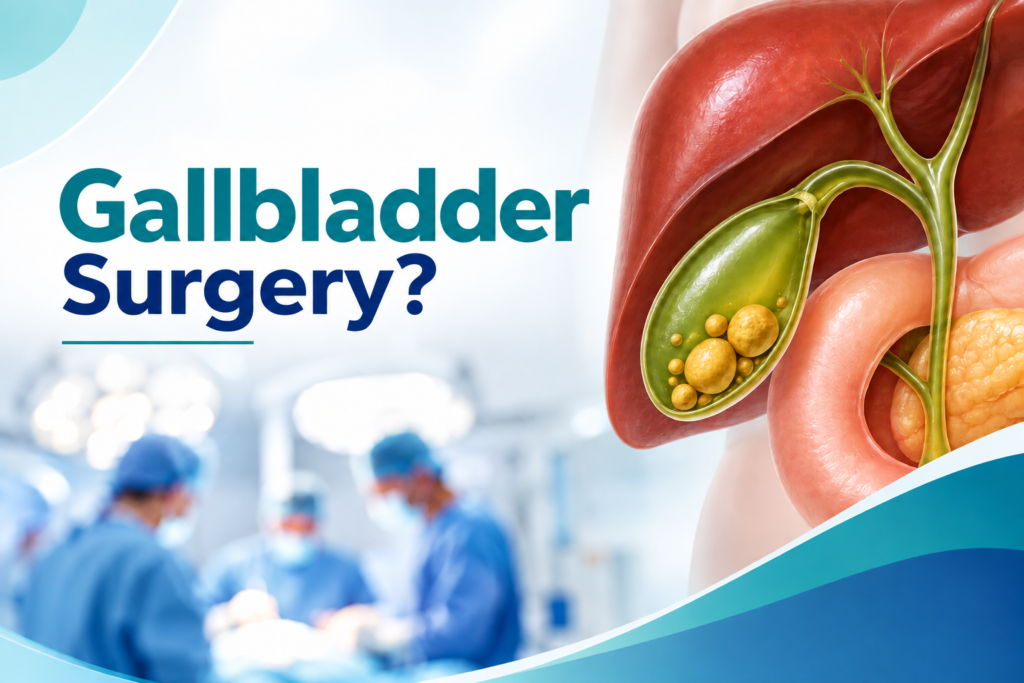
Gallbladder removal is a commonly performed surgical procedure. Like any surgery, it can have potential risks and complications. Your surgeon will explain the expected benefits, risks, and alternatives before the procedure.
Yes. The gallbladder is not essential for normal life. After gallbladder removal, bile continues to flow from the liver into the intestine, although it is no longer stored in the gallbladder.
The duration can vary depending on the patient's condition, surgical technique, and findings during surgery. Your surgeon can provide a more specific estimate after evaluation.
Recovery depends on the surgical approach and individual health. Many patients undergoing laparoscopic surgery return to normal activities relatively quickly, but strenuous activities may need to be avoided for a period recommended by the surgeon.
Once the gallbladder is removed, gallstones cannot form inside the gallbladder because it is no longer present. However, stones can occasionally occur in the bile ducts, which is a different condition.
Laparoscopic surgery is commonly preferred when it is safe and appropriate because it uses smaller incisions and may allow faster recovery. However, open surgery may be necessary in certain circumstances.